Not all steel balls are made the same way, and the material choice behind them affects everything from corrosion resistance to load capacity. Whether you’re sourcing a full ss ball bearing or replacing individual balls in a bearing race, understanding the difference between stainless and carbon steel makes it a lot easier to pick the right one.
Carbon Steel Balls: Strength at a Lower Cost
Carbon steel balls (most commonly chrome steel, technically 52100 grade) are the standard material used in the majority of commercial bearings. They offer excellent hardness and load capacity at a lower cost than stainless or ceramic alternatives, which is why they’re the default choice for general-purpose bearings across industrial, automotive, and hobbyist applications.
The tradeoff is corrosion resistance — carbon steel balls will rust if exposed to moisture, saltwater, or humid storage conditions without proper sealing or lubrication.
Stainless Steel Balls: Built for Corrosion Resistance
Stainless steel balls trade a small amount of hardness for significantly better corrosion resistance. An ss ball bearing built with stainless steel balls holds up far better in:
- Marine and saltwater environments
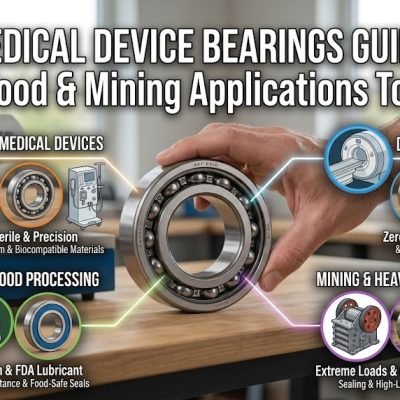
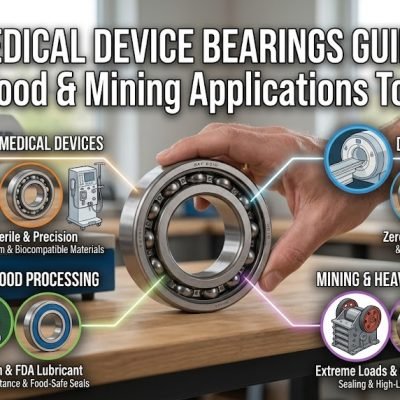
- Food and beverage processing equipment
- Medical device applications
- Outdoor equipment exposed to moisture and washdown
For fishing reels, boat equipment, or anything that regularly contacts water, stainless steel balls are almost always the better long-term choice, even though the upfront cost is slightly higher than carbon steel.
Common Ball Sizes We Stock
Precision steel balls are manufactured in standardized sizes to fit specific bearing races and applications. A 3mm ball bearing is one of the most commonly ordered small sizes, used across miniature bearings, fidget spinners, and precision instruments — but we stock a full range of sizes for both stainless and carbon steel to match whatever bearing or application you’re working with.
Which Should You Choose?
- Choose carbon steel balls for general-purpose, cost-sensitive applications without significant moisture exposure
- Choose stainless steel balls for marine, food-grade, medical, or outdoor applications where corrosion resistance matters more than raw hardness
- For extreme performance needs, consider ceramic or hybrid ceramic balls — covered in our ceramic bearing guides
Final Thoughts
The right ball material comes down to environment more than performance specs alone — a slightly softer stainless ball that doesn’t rust will outlast a harder carbon steel ball in a wet environment every time. If you’re not sure which material fits your application, reach out and we’ll help you decide.
Shop Steel & Stainless Balls → [https://rcbearings.com/engine-bearings/]
Questions about material selection? Call (978) 254-3987 — we’re happy to help.