Not all steel balls are made the same way, and the material choice behind them affects everything from corrosion resistance to load capacity. Whether you’re sourcing a full ss ball bearing or replacing individual balls in a bearing race, understanding the difference between stainless and carbon steel makes it a lot easier to pick the right one. Carbon Steel Balls: Strength at a Lower Cost Carbon steel balls (most commonly chrome steel, technically 52100 grade) are the standard material used in the majority of commercial bearings. They offer excellent hardness and load capacity at a lower cost than stainless or ceramic alternatives, which is why they’re the default choice for general-purpose bearings across industrial, automotive, and hobbyist applications. The tradeoff is corrosion resistance — carbon steel balls will rust if exposed to moisture, saltwater, or humid storage conditions without proper sealing or lubrication. Stainless Steel Balls: Built for Corrosion Resistance Stainless steel balls trade a small amount of hardness for significantly better corrosion resistance. An ss ball bearing built with stainless steel balls holds up far better in: For fishing reels, boat equipment, or anything that regularly contacts water, stainless steel balls are almost always the better long-term choice, even though the upfront cost is slightly higher than carbon steel. Common Ball Sizes We Stock Precision steel balls are manufactured in standardized sizes to fit specific bearing races and applications. A 3mm ball bearing is one of the most commonly ordered small sizes, used across miniature bearings, fidget spinners, and precision instruments — but we stock a full range of sizes for both stainless and carbon steel to match whatever bearing or application you’re working with. Which Should You Choose? Final Thoughts The right ball material comes down to environment more than performance specs alone — a slightly softer stainless ball that doesn’t rust will outlast a harder carbon steel ball in a wet environment every time. If you’re not sure which material fits your application, reach out and we’ll help you decide. Shop Steel & Stainless Balls → [https://rcbearings.com/engine-bearings/] Questions about material selection? Call (978) 254-3987 — we’re happy to help.
Bearing Size Finder: How to Find the Right Bearing Every Time
Ordering the wrong bearing is one of the most common — and most avoidable — mistakes hobbyists and technicians make. A good bearing size finder process comes down to three measurements, and once you know how to take them correctly, matching a replacement bearing takes minutes instead of guesswork. The Three Measurements Every Bearing Finder Needs Every ball bearing is identified by three core dimensions, almost always written in the same order: A bearing labeled 5x11x4, for example, has a 5mm bore, 11mm outer diameter, and 4mm width. Once you have those three numbers, you can search by exact dimensions instead of relying on part numbers that vary between manufacturers. How to Measure a Bearing for a Bearing Dimension Lookup If the old bearing doesn’t have a legible size printed on the shield, measure it directly: Using Part Numbers as a Bearing Cross Reference by Size Many manufacturers use standardized numbering systems (like the MR and R series for small bearings, or the 6000 series for larger ones) where the number itself encodes the dimensions. This is useful for a bearing cross reference by size, but part numbers can vary slightly between brands, so cross-checking actual measured dimensions is always the more reliable method. Common Small Bearing Sizes We Stock For hobbyist and precision applications, some of the most frequently ordered small bearing sizes include 3x8x4, 4x7x2, 5x9x3, 3x7x3, and 5x11x4 — covering everything from fidget spinners to RC motors to fishing reels. If you have exact measurements but aren’t sure which standard size they round to, send them to us directly. When a Bearing Checker Tool Isn’t Enough Online bearing checker tools can help narrow down options, but they can’t account for load requirements, seal type (2RS vs ZZ), or material needs (steel, stainless, ceramic) — all of which matter as much as raw dimensions for choosing the right bearing for your application. Final Thoughts Finding the right bearing size doesn’t have to be guesswork — three accurate measurements are usually all it takes. If you’ve got a bearing in hand and aren’t sure what it is, send us the measurements (or the old part) and we’ll confirm the exact match. Shop Bearings By Size → [https://rcbearings.com/ball-bearings/] Not sure what size you need? Call (978) 254-3987 — we’ll help you match it.
Fidget Spinner Bearings: Sizes, Dimensions & 608 Bearing Guide
Almost every spinner with ball bearings on the market — from the cheapest plastic ones to precision metal builds — uses the same core bearing size, which surprises a lot of people shopping for fidget spinner bearings for the first time. Once you know the standard dimensions, finding a replacement or upgrade is straightforward. What Size Bearing Is in a Fidget Spinner? The vast majority of fidget spinners use a 608 bearing as the center rotation bearing. If you’ve seen “608” printed on a spinner’s packaging or bearing shield, that’s the size code — and it’s one of the most common precision bearing sizes made, which is part of why fidget spinner bearings became so easy to source and swap when the trend took off. 608 Bearing Dimensions For anyone looking up fidget bearing dimensions specifically, the standard 608 bearing measures: This is the standard fidget bearing size across nearly all mainstream spinners, whether the spinner itself is plastic, brass, titanium, or steel. The bearing in a bearing fidget spinner design typically also uses smaller satellite bearings at each arm — usually R188 sized — that spin freely and add to the overall momentum and feel. Upgrading Your Fidget Spinner Bearing The stock bearing that ships with most spinners is a budget-grade steel bearing, which is fine for casual use but wears out faster and spins shorter than a precision upgrade. Common upgrade options include: How to Replace a Fidget Spinner Bearing Most spinners use a press-fit 608 bearing, meaning it snaps or presses into the center housing without screws. Replacement is usually as simple as pressing the old bearing out and pressing the new one in, as long as the replacement matches the standard fidget bearing dimensions listed above. Final Thoughts Whether you’re replacing a worn stock bearing or upgrading to ceramic for longer spin times, knowing your spinner uses a standard 608 bearing makes sourcing the right replacement simple. If you’re not sure which upgrade level makes sense for your spinner, reach out and we’ll help you choose. Shop 608 & Fidget Spinner Bearings → [https://rcbearings.com/individual-ball-bearings/] Questions about fitment? Call (978) 254-3987 — we’re happy to help.
Hybrid Ceramic Bearings Explained: Silicon Nitride Balls & Steel Races
Hybrid ceramic bearings sit in an interesting middle ground in the bearing world — not quite full ceramic, not quite standard steel, but built to capture most of ceramic’s performance benefits at a lower cost. If you’re weighing a bearing ceramic hybrid option against a full ceramic or full steel bearing, it helps to understand exactly what’s different about the construction. What Is a Hybrid Ceramic Bearing? A hybrid ceramic bearing uses ceramic balls — typically silicon nitride ball material — combined with a traditional steel inner and outer race. This is different from a “full ceramic” bearing, which uses ceramic for the races as well. The hybrid design keeps the parts of the bearing that benefit most from ceramic’s properties (the balls) while keeping the more affordable, easier-to-manufacture steel races. Why Use a Silicon Nitride Ball Instead of Steel? Silicon nitride balls are harder, smoother, and significantly lighter than steel balls of the same size. In a hybrid ceramic bearing, that translates to: Hybrid Ceramic vs Full Ceramic: Which Should You Choose? A full ceramic bearing (ceramic balls and ceramic races) offers the best possible corrosion resistance and heat tolerance, but costs considerably more and can be more brittle under shock loading. A hybrid ceramic bearing gets you most of the friction and heat benefits at a lower price point, with the steel races providing better resistance to sudden impact loads than full ceramic races would. For most performance hobbyist applications — RC motors, high-speed skate bearings, precision motors — hybrid ceramic bearings offer the best balance of performance and cost. Common Hybrid Ceramic Bearing Sizes We stock hybrid ceramic bearings across the common miniature sizes hobbyists need most, including ceramic bearings 3x8x4 for small precision applications like fidget spinners, RC motors, and drone components. If you need a specific size that isn’t listed, reach out and we’ll confirm availability. Final Thoughts Hybrid ceramic bearings are one of the best upgrades available for anyone chasing lower friction and less heat without paying full-ceramic prices. If you’re not sure whether hybrid ceramic is the right fit for your application, reach out and we’ll walk through it with you. Shop Hybrid Ceramic Bearings → [https://rcbearings.com/shop-list-view/] Questions about sizing or fitment? Call (978) 254-3987 — we’re happy to help.
Ceramic Ball Bearing vs Steel Bearings: Full Comparison
The question we hear most often about a ceramic ball bearing is simple: is it actually worth the extra cost over steel? The honest answer is — it depends on what you’re using it for. Ceramic bearings genuinely outperform steel in specific conditions, but they’re not automatically the better choice for every application. What Is a Ceramic Ball Bearing? A true ceramic bearing uses balls (and sometimes races) made from silicon nitride instead of steel. A bearing ceramic ball is significantly harder, lighter, and smoother than a steel ball of the same size, which changes how the bearing performs under speed, heat, and load. Are Ceramic Bearings Better Than Steel? Where Ceramic Wins Where Steel Still Makes Sense A Middle Ground: Hybrid Ceramic Bearings For anyone who wants some of ceramic’s benefits without the full cost, hybrid ceramic bearings use ceramic balls with steel races — offering reduced friction and weight at a lower price point than full ceramic. We cover hybrid ceramic bearings in more detail in a separate guide if you want the full breakdown. So, Is Ceramic Bearing Worth It? For high-speed, high-heat, or corrosion-prone applications — RC racing, turbines, marine equipment — a ceramic ball bearing is usually worth the investment. For everyday, lower-speed use, a quality steel bearing will perform reliably at a fraction of the cost. Final Thoughts Neither material is universally “better” — the right choice depends on your speed, load, and environment. If you’re not sure which is the right fit for your specific application, reach out and we’ll help you choose based on how the bearing will actually be used. Shop Ceramic & Steel Bearings → [https://rcbearings.com/shop-list-view/] Questions about ceramic vs steel for your build? Call (978) 254-3987 — we’re happy to help.
ABEC 7 vs ABEC 9 Bearings: Which Precision Rating Do You Need?
If you’ve been shopping for abec 9 bearings and wondering whether they’re actually better than abec 7 bearings for your application, you’re not alone — the ABEC rating is one of the most misunderstood specs in the bearing world. It gets used constantly in marketing for skateboard wheels, fidget spinners, and RC parts, but most of that marketing skips over what ABEC actually measures. What Does ABEC Actually Measure? ABEC stands for Annular Bearing Engineering Committee, and the rating (1, 3, 5, 7, 9) refers to manufacturing tolerance — specifically, how precisely the bearing’s dimensions and roundness are controlled during production, based on ABMA and ISO tolerance standards. A higher ABEC number means tighter manufacturing tolerances, not necessarily higher speed capability or load capacity. That’s the part most product listings get wrong. An abec 9 bearing is manufactured to a tighter tolerance than an abec-7 bearing, but tolerance alone doesn’t determine how well a bearing performs under load, at high speed, or in a dirty environment — those depend on material, lubrication, and seal type just as much as ABEC rating. ABEC 7 Bearings vs ABEC 9 Bearings: What’s the Real Difference? For most hobbyist applications, the jump from ABEC 7 to ABEC 9 matters most when the bearing is running at sustained high RPM — a spinning fidget spinner, a high-speed RC motor, or precision industrial equipment. For lower-speed applications like standard skateboard wheels, the difference is often negligible. Does a Higher ABEC Rating Mean a Better Bearing? Not automatically. A poorly sealed, low-quality abec 9 bearing can wear out faster and perform worse than a well-made abec 7 bearing with good shielding and proper lubrication. Tolerance is one factor among several — material grade, seal type (2RS vs ZZ), and ball material (steel vs ceramic) all matter just as much for real-world performance and longevity. Which ABEC Rating Should You Choose? Final Thoughts ABEC rating is a useful spec, but it’s only one part of choosing the right bearing. If you’re not sure whether abec 7 bearings or abec 9 bearings are the right fit for your specific application, reach out with the details and we’ll help you match the right bearing — not just the highest number. Shop Precision Bearings → [https://rcbearings.com/ball-bearings/] Questions about which rating fits your build? Call (978) 254-3987 — we’re happy to help.
What Do Fishing Reel Bearings Do? Baitcaster & Spool Guide
Ask ten anglers what fishing reel bearings actually do and you’ll get ten different half-right answers. Most people know “more bearings is better” as a rule of thumb, but that’s only part of the story — where the bearings are located and how well they’re made matters just as much as how many the reel has. What Do Bearings Do in a Fishing Reel? Every moving part inside a reel that spins — the spool, the handle shaft, the line roller — needs something to reduce friction between the moving metal and the reel frame. That’s the job of the bearing. A ball bearing reel uses precision steel or ceramic balls inside a race to let those parts spin freely with minimal resistance, instead of grinding metal directly against metal (or relying on a plain bushing, which has noticeably more friction). More specifically: Spool Bearings and Baitcaster Performance On a baitcasting reel specifically, spool bearings do more work than almost any other component in the reel. Baitcaster bearings need to let the spool spin at very high RPM the instant the cast starts, then slow down smoothly without binding — that’s what prevents backlash. Cheap or worn bearings can’t keep up with that speed change cleanly, which is why baitcasters with fresh, high-quality spool high speed bearings cast noticeably farther and smoother than the same reel with worn ones. Does Bearing Count Actually Matter? It matters less than reel marketing suggests. A reel with 10 low-quality bearings can perform worse than a reel with 4 precision bearings placed in the right spots. What actually determines performance is: When to Replace Reel Bearings If a reel’s casting distance has dropped, the spool feels like it hesitates instead of spinning freely, or you’re hearing grinding when you spin the handle, it’s almost always a bearing problem rather than a technique problem. Reel bearings that see regular saltwater use should be inspected or serviced at least once a season. Final Thoughts Understanding what fishing reel bearings actually do makes it a lot easier to diagnose why a reel has slowed down — and a lot easier to know exactly which bearings are worth upgrading first. If you’re rebuilding a baitcaster or spinning reel and aren’t sure which bearing sizes you need, send us the reel model and we’ll match the correct kit. Shop Fishing Reel Bearings → [https://rcbearings.com/fishing-reel-kits/] Questions about fitment? Call (978) 254-3987 — we’re happy to confirm before you buy.
Newell Fishing Reels Bearing Guide: Upgrades & Replacements
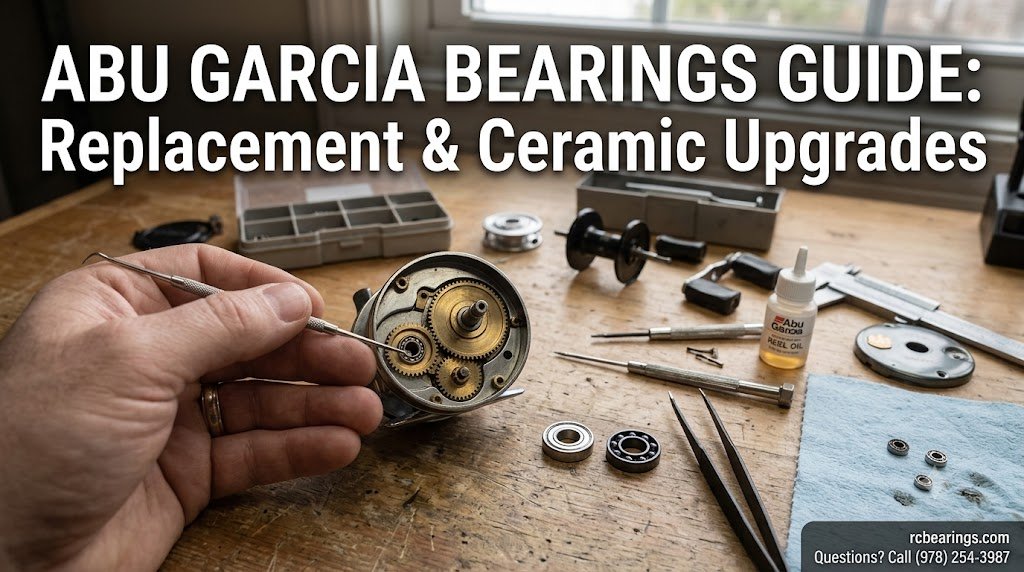
Anglers who fish newell fishing reels tend to hold onto them for years, sometimes decades — these are reels built to be serviced and passed down, not replaced. But every reel, no matter how well built, eventually needs its bearings refreshed. If a Newell that used to cast effortlessly is starting to feel sluggish, the spool bearings are almost always the first place to look. Why Newell Reels Are Worth Maintaining, Not Replacing Newell reels have a reputation among serious anglers for being rebuildable rather than disposable. Unlike a lot of modern reels that are designed to be replaced when they wear out, Newell’s construction makes it straightforward to swap individual components, including the spool bearings, without needing to replace the whole reel. That’s part of why so many anglers search for newell fishing reels for sale specifically looking for older models — they know the reel itself will outlast several bearing services. Signs Your Newell Needs a Bearing Service Reel bearings take on saltwater, sand, and general grit every time the reel is used, and that buildup slows the spool down gradually — often gradually enough that anglers don’t notice until they compare it to a freshly serviced reel. Choosing Replacement Bearings for a Newell Reel Precision fit matters more on a Newell than on most reels, since the whole appeal of the platform is smooth, low-friction casting. We stock replacement bearing sets sized to match Newell spool tolerances, so the swap restores the reel’s original performance instead of introducing new play or drag. For anglers fishing saltwater regularly, a sealed or stainless bearing option will hold up considerably longer between services than standard chrome steel. A Note on Johnny Morris Signature Reels Anglers searching for a johnny morris reel bearing upgrade are usually running a Newell-based signature model, and the same fitment principles apply — matching OEM tolerances is what actually restores casting performance, not just installing “a bearing that fits close enough.” Final Thoughts A Newell reel that’s starting to feel slow isn’t usually a reel that needs replacing — it’s a reel that needs its bearings serviced. If you’re not sure which bearing size matches your model, send us the reel model and we’ll confirm before you order. Shop Fishing Reel Bearings → [https://rcbearings.com/fishing-reel-kits/] Questions about fitment? Call (978) 254-3987 — we’re happy to confirm before you buy.
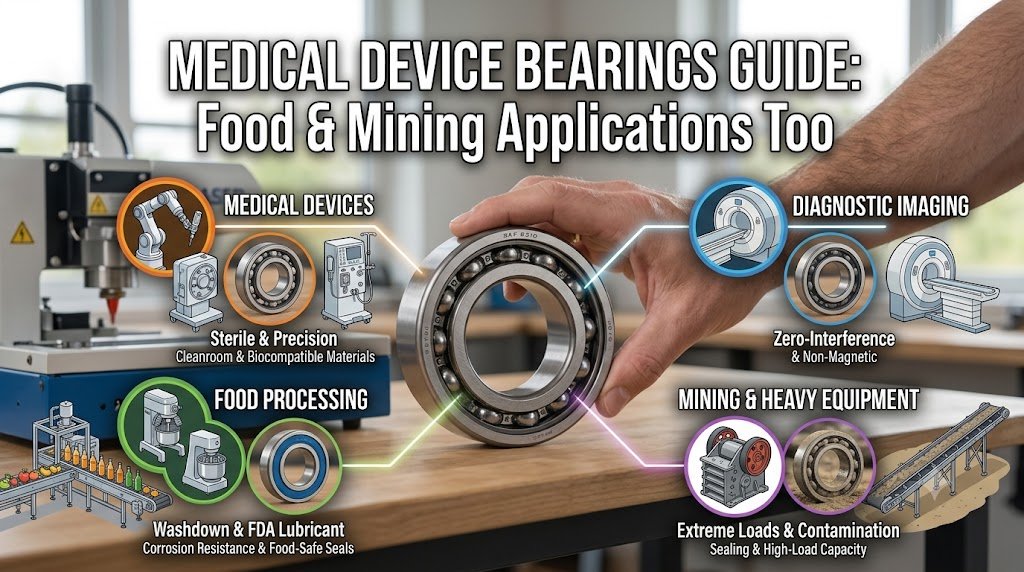
Abu Garcia Ambassadeur 5000 Bearing Upgrade Guide
The abu garcia ambassadeur 5000 has been a workhorse baitcasting reel for decades, and it’s still one of the most common reels we get bearing questions about. It’s a tough, reliable reel — but the stock bushings and bearings that shipped with older models were never built for the kind of casting distance and spool speed serious anglers push them to today. A bearing upgrade is one of the cheapest, most noticeable performance changes you can make to an ambassadeur reel 5000. Why Upgrade the Bearings on an Abu Garcia 5000? Older abu garcia 5000 reels, especially models from before the mid-2000s, often shipped with bushings instead of full ball bearings on the spool. Bushings work fine for casual use, but they create more friction than a sealed ball bearing, which means shorter casts and more backlash under load. Swapping those bushings for precision ball bearings reduces spool drag significantly — anglers who make this swap usually notice longer, smoother casts almost immediately. Even reels that already have ball bearings benefit from a refresh. Bearings that have seen saltwater exposure, sand, or a few seasons of hard use develop internal corrosion and grit that slows the spool down, even if it’s not obvious just spinning it by hand. What Bearings Fit the Ambassadeur 5000? The spool bearings on most abu garcia ambassadeur 5000 models are small, precision-ground bearings that need to match OEM tolerances closely — too loose and you get play in the spool, too tight and you add drag instead of removing it. We stock replacement bearing sets sized specifically for the 5000 series, so you’re not stuck reverse-engineering dimensions from a worn-out original. For anglers running the reel in saltwater, we’d recommend a stainless steel or sealed bearing option over standard chrome steel — it holds up far better against corrosion and doesn’t need to be serviced nearly as often. How to Tell If Your Reel Needs a Bearing Upgrade If any of that sounds familiar, it’s usually a bearing issue before it’s a technique issue. Final Thoughts The ambassadeur 5000 is a reel worth keeping in service for years, and a bearing upgrade is one of the most cost-effective ways to keep it casting like new. If you’re not sure which bearing set matches your specific 5000 model or year, reach out with the model number and we’ll confirm fitment before you order. Shop Fishing Reel Bearings → [Internal link to Fishing Reel Bearing Kits category page] Questions about fitment? Call (978) 254-3987 — we’re happy to confirm before you buy.
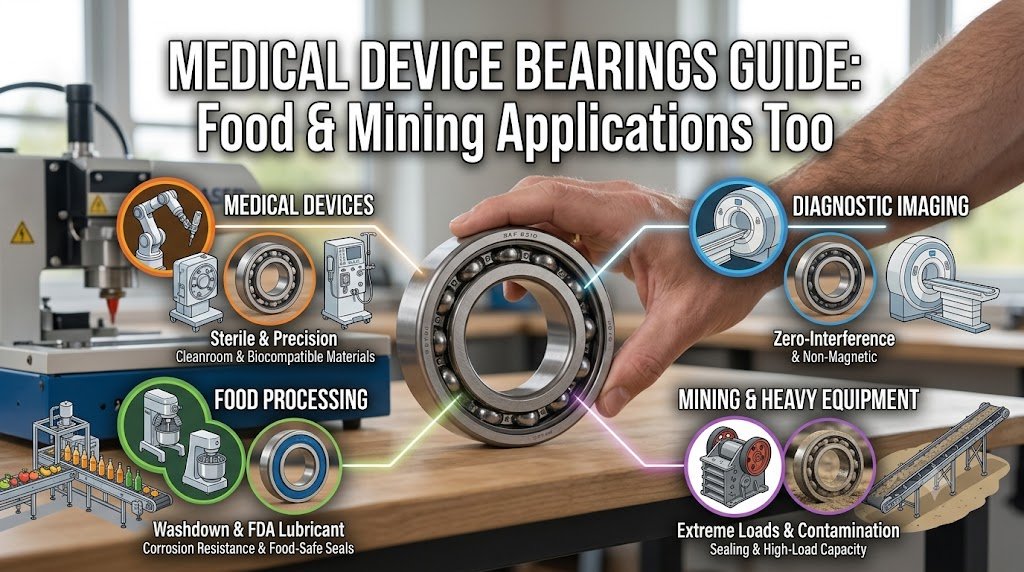
RC Car Bearings Guide: Best Bearings for RC Cars & Helicopters
If you’ve ever pulled a stock bearing out of a nitro engine or a heli main shaft and found it gritty, loose, or rusted after a single season, you already know why picking the right rc car bearings matters more than most hobbyists realize. At RC Bearings, we’ve spent over 30 years supplying precision ball bearings out of Nashua, New Hampshire to RC racers, heli pilots, and hobby shops across New Hampshire, Massachusetts, and nationwide — and the single biggest performance complaint we hear isn’t about motors or ESCs. It’s bearings. This guide breaks down what actually separates a good set of rc bearings from a bad one, which bearings fit which platforms, and how to choose correctly for OS .91 and OS .105 engines, popular heli frames, and everyday RC car maintenance. What Makes RC Car Bearings Different From Standard Bearings? RC car bearings run at extremely high RPM in a dirty, vibration-heavy environment — dust, mud, water, and nitro fuel residue all work their way into the bearing race over time. Standard commercial-grade bearings aren’t built for that combination of speed and contamination, which is why they wear out fast, seize up, or start “notching” (that gritty feeling when you spin the shaft by hand). Purpose-built rc bearings solve this in three ways: Which Bearings Fit OS .91 and OS .105 Engines? OS .91 and OS .105 HZ engines are among the most common powerplants in gas-and-nitro RC cars and large-scale RC planes, and both rely on front and rear crankshaft bearings that take a beating from heat and vibration. A worn crank bearing on either engine shows up as excess shaft play, a rough idle, or a whining sound at high RPM that wasn’t there before. We stock direct-fit replacement kits sized specifically for OS .91 and OS .105 engines, matched to OEM tolerances so you’re not guessing at dimensions or hoping a “close enough” bearing holds up. Swapping worn crank bearings on either engine is one of the most cost-effective ways to extend engine life — it’s a fraction of the price of a rebuild or replacement engine. Best Bearings for RC Helicopters Heli platforms put bearings under a different kind of stress than cars — constant rotational load on the main shaft, tail rotor, and swashplate, with very little tolerance for play before you start seeing vibration in the blades. We supply model-specific bearing kits for the platforms most commonly flown by our customers, including: Each kit is matched to the exact bearing sizes that platform calls for — main shaft, feathering shaft, and tail case bearings all have different tolerance requirements, and mixing up sizes even slightly can introduce vibration that’s hard to diagnose later. If you’re not sure which kit matches your frame, send us your model and we’ll confirm the correct bearing set before you order. Signs Your RC Car or Heli Bearings Need Replacing Most hobbyists replace bearings reactively instead of on a schedule, which usually means catching the problem after it’s already affected performance. Watch for: Catching worn bearings early protects the more expensive parts around them — a failing wheel bearing can chew up an axle, and a failing crank bearing can damage the engine case if it’s ignored long enough. Why RC Hobbyists Choose RC Bearings We’ve been supplying precision bearings from our Nashua, NH location for over three decades, and RC/hobby bearings are one of the categories we get the most repeat orders on — from local racers in Nashua and Lowell, MA, to customers ordering from across New Hampshire and nationwide. Every rc bearings kit we sell is chosen for fit first, not just price, because a bearing that’s slightly wrong in size or tolerance causes more problems than it solves. If you’re maintaining an OS .91 or OS .105-powered car, or keeping a Goblin, Gaui, Mikado Logo, OMP, TRON, or XL Power heli in the air, browse our RC and hobby bearing category or reach out with your model and we’ll help you find the exact fit. Shop RC & Hobby Bearings → [https://rcbearings.com/shop-list-view/] Have a question about which bearing fits your build? Call us at (978) 254-3987 or reach out directly — we’re happy to confirm fitment before you order.