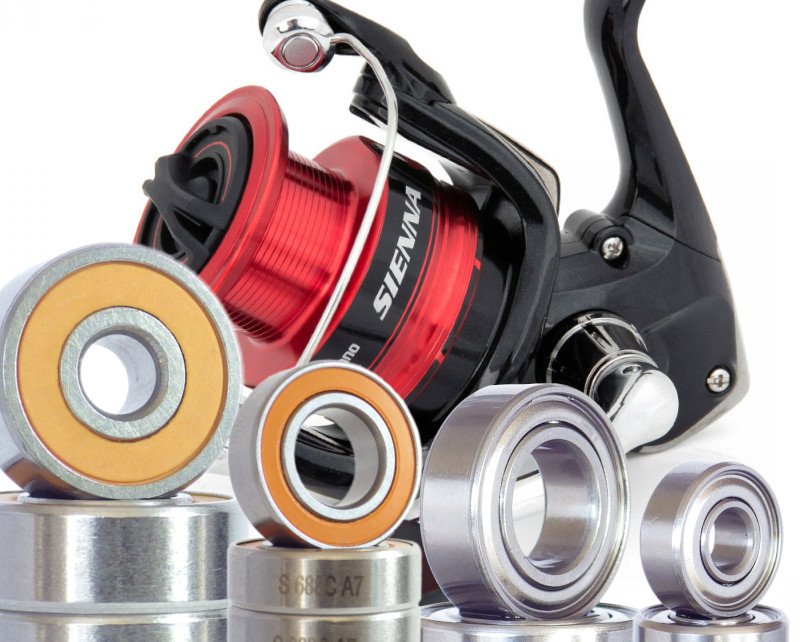
Fishing reel bearings USA anglers ignore are the one component that determines how smoothly, how far, and how accurately every cast they’ve ever made actually performs. Most anglers spend serious money on rods, lines, and lures. They research hook sizes, leader materials, and bait presentations down to fine detail. Then they overlook the small set of precision balls inside their reels that control everything happening on the water. RCBearings in Nashua, New Hampshire has supplied fishing reel bearings USA anglers and tackle shops depend on for over 30 years — serving customers throughout Massachusetts, New Hampshire, Lowell, and nationwide. Here’s what actually matters when you’re choosing or replacing your reel bearings, and why this one upgrade pays dividends on every single cast. What Fishing Reel Bearings USA Anglers Actually Need to Understand Inside every spinning reel, baitcaster, or conventional reel sits a set of small ball bearings — typically between 3 and 12, depending on reel design and quality level. Fishing reel bearings USA buyers source serve two primary functions: they allow the spool to release with minimal friction during the cast, and they let the retrieve mechanism turn smoothly under load when fighting a fish. The silky, whisper-quiet spool release you feel when casting a high-end reel? That’s fishing reel bearings USA manufacturers install at the top of their product lines — and you’re feeling that quality directly with your fingertips. The gritty, hesitant, rough feel of a reel that’s been through some seasons is almost always a bearing story. Which Bearings Inside a Reel Matter Most for Fishing Reel Bearings USA Performance The number of bearings in a reel gets used heavily in marketing — “10+1 bearings!” — but count means very little if the fishing reel bearings USA reels use aren’t well-made. One premium bearing in a simpler mechanism often outperforms five cheap bearings in a complex one. The positions that matter most for fishing reel bearings USA performance are: Spool bearings — the bearings supporting the spool on its shaft in a baitcaster or the spool pin in a spinning reel. These directly affect cast distance and feel, and they take the most abuse from repeated casting cycles. Main gear bearings — supporting the primary drive gear under retrieve load, these determine how smooth the reel feels when you’re fighting a fish. Pinion gear bearings — handling the load transfer between handle and spool. Worn fishing reel bearings USA in this position are often the source of a grinding sensation on the retrieve. Anti-reverse bearings — the one-way clutch bearing that stops the handle from back-spinning. When this fails, you get backspin during hooksets and lost fish. Stainless vs. Standard Steel: The Most Critical Fishing Reel Bearings USA Decision This is the most important material decision for fishing reel bearings USA buyers, and the answer depends almost entirely on where you fish. Standard bearing steel (AISI 52100) is heat-hardened, durable, and performs beautifully in freshwater environments where reels stay dry between uses. For freshwater anglers who store their gear properly, standard steel fishing reel bearings USA deliver excellent service life at a lower cost. But take that reel near saltwater — even once — and the calculus changes entirely. Salt is extraordinarily corrosive to unprotected bearing steel. A single saltwater session, or even leaving a reel in a boat near the ocean without a fresh water rinse, can start the corrosion process on standard fishing reel bearings USA anglers are running. Once corrosion starts inside a sealed bearing, it compounds quickly — pitted surfaces catch grit, roughness accelerates wear, and the bearing fails far sooner than it should. For saltwater anglers along the Massachusetts coast, on New Hampshire’s seacoast, or anywhere in the USA where reels see salt exposure, stainless steel fishing reel bearings USA made from 440C heat-hardened stainless stock are the only correct choice. The corrosion resistance advantage is not subtle — stainless fishing reel bearings USA can last multiple seasons in saltwater environments where standard steel bearings corrode within one. How to Know When Your Fishing Reel Bearings USA Need Replacing Fishing reel bearings USA degrade gradually — they don’t usually fail catastrophically. The signs accumulate over time if you know what to feel for: Most experienced anglers in Massachusetts and New Hampshire plan a pre-season reel service each year that includes inspecting and replacing fishing reel bearings USA as needed. A fresh set going into spring is cheap insurance compared to losing a big fish because the reel couldn’t perform when it needed to. Finding the Right Fishing Reel Bearings USA for Your Specific Reel Fishing reel bearings USA are highly standardized in size, and most reel models use bearings from the 600-series family: sizes like 688, 6802, 695, 684, 685, 696, and similar small cartridge formats that fit neatly inside reel bodies. Most quality fishing reel bearings USA are organized as pre-matched kits for specific reel models — Shimano, Daiwa, Penn, Abu Garcia, Pflueger, and others — so finding the right set is typically as simple as knowing your reel model and selecting the corresponding kit. This takes the guesswork out of individual bearing selection and ensures every bearing in the reel is upgraded at the same time. For anglers and tackle shops across Massachusetts and New Hampshire — from Lowell to Nashua and beyond — sourcing fishing reel bearings USA from a domestic supplier means faster shipping and bearings made to tight tolerances, so they drop into your reel without the play or roughness that cheap replacements introduce. Why Buy Fishing Reel Bearings USA from a Domestic Supplier? Spring fishing season in New Hampshire and Massachusetts doesn’t wait for overseas shipping windows. When you need fishing reel bearings USA before opener weekend, sourcing from a domestic supplier who ships fast makes the difference between fishing and waiting. RCBearings in Nashua, New Hampshire ships fishing reel bearings USA anglers depend on across the country — serving customers in Lowell, Massachusetts, throughout New Hampshire, and all 50 states. Whether you’re upgrading
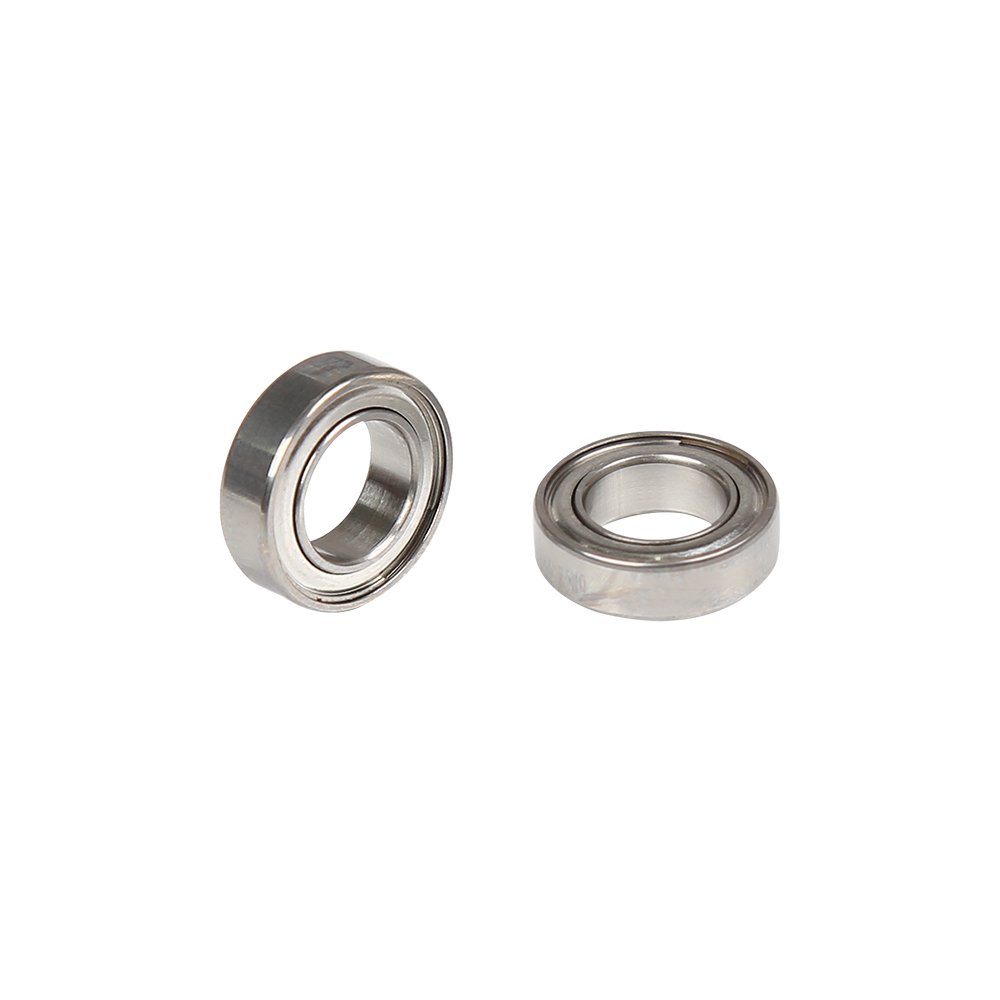
Heli Bearings USA: The Complete RC Helicopter Bearing Guide for Every Pilot and Builder
Heli bearings USA pilots depend on are one of the most performance-critical components in any RC helicopter — and one of the most frequently ignored until something goes wrong. If you’ve ever developed an unexplained vibration mid-flight, or felt a noticeable smoothness return after swapping in a fresh set of engine bearings, you already understand what these small parts do for the machine. In an RC helicopter, heli bearings aren’t background hardware — they’re actively determining how the aircraft sounds, how it handles, and how long it stays in the air before something far more expensive needs replacing. RCBearings in Nashua, New Hampshire has supplied heli bearings USA pilots and clubs trust for over 30 years — serving customers throughout Massachusetts, New Hampshire, Lowell, and nationwide. Whether you’re doing first-build spec’ing or routine seasonal maintenance, here’s what every pilot should know about heli bearings before they buy. Why Heli Bearings USA Pilots Choose Matter More Than Most Think RC helicopters put their bearings through operating conditions that would challenge many full-size industrial applications. High-RPM nitro and electric motors, constant vibration through the entire airframe, heat cycling between ambient temperatures and engine operating temps, and — for pilots in New Hampshire and Massachusetts — seasonal storage in garages and outbuildings where humidity and temperature swings attack unprotected metal between flying seasons. A main shaft bearing, tail rotor bearing, or engine crank bearing in a typical RC helicopter isn’t just holding a shaft in position — it’s doing so while being subjected to vibration, heat, and varying loads simultaneously. The tighter the manufacturing tolerances on heli bearings USA suppliers source, the smoother and more balanced the helicopter runs. Loose tolerances translate directly into vibration that travels through the entire airframe, degrades flight feel, and accelerates wear on every mechanical component the vibration reaches. What Bearings Are Inside a Typical RC Helicopter Understanding where heli bearings USA sit in the machine is the first step to knowing when and what to replace: Main shaft bearings carry the primary rotor load and are among the most stressed heli bearings USA builders install. Any play or roughness here shows up immediately in the feel of the main rotor. Engine or motor bearings (in nitro machines) support the crankshaft under constant high-RPM firing loads. These are typically sold as matched front and rear sets — the front bearing runs near the cooling head and sees more heat, while the rear handles more of the radial load. Tail rotor shaft bearings keep the tail assembly spinning true and precise. Tail rotor vibration is often traced to worn heli bearings USA pilots overlooked during their last service interval. Autorotation hub and one-way bearing assemblies allow the rotor head to freewheel on engine-off entries. Often skipped in maintenance schedules, but worn bearings here affect auto entries noticeably. Swashplate and head linkage bearings translate servo inputs into blade pitch changes. Sloppy heli bearings USA here result in imprecise collective and cyclic response. Steel Grade Options for Heli Bearings USA Applications The standard material for quality heli bearings USA suppliers stock is AISI 52100 bearing steel — heat-hardened to a Rockwell hardness of approximately 59–64. This steel handles the high-RPM and vibration conditions inside helicopter engines and rotor heads extremely well, and it’s the correct specification for most pilots flying in reasonably clean, dry conditions. For pilots who store machines in outdoor sheds, fly in humid conditions, or are based in New Hampshire and Massachusetts where garage storage through winter exposes equipment to moisture and freeze-thaw cycles, stainless steel heli bearings made from 440C heat-hardened stock offer meaningful corrosion protection. An engine that sits for several months in humid storage conditions with corroded standard steel heli bearings can cause significantly more trouble on startup than one with stainless bearings installed. Heli Bearings USA: Signs Your Bearings Need Replacing Experienced pilots develop a feel for when heli bearings USA on their machine are starting to go. Here are the specific indicators to watch for: Catching these signs early is always the smarter move with heli bearings USA. Replacing worn bearings before full failure prevents damage to housings, shafts, and more expensive internal components — a bearing kit costs a fraction of a crankcase or main shaft replacement. Popular RC Platforms That Need Regular Heli Bearings USA Replacement Bearing wear is universal — it happens on every platform regardless of brand or price. Some of the most commonly serviced platforms when it comes to heli bearings USA include: If you fly frequently or competitively, keeping a spare bearing kit for your engine and main shaft on hand is simply smart practice. The cost of quality heli bearings USA is trivial compared to the cost of a forced landing or rotor strike caused by a bearing failure. Why Buy Heli Bearings USA from a Domestic Supplier? Flying season in New Hampshire and Massachusetts runs roughly spring through fall. Mid-season bearing failures are exactly the scenario nobody wants — waiting weeks for overseas heli bearings USA during your best flying months is a frustrating and avoidable situation. Sourcing heli bearings USA from a domestic supplier like RCBearings in Nashua, New Hampshire means getting the right bearing kit shipped quickly to customers in Lowell, Massachusetts, throughout New Hampshire, and across all 50 states. Beyond speed, a specialist domestic heli bearings USA supplier knows which kits cross-reference to which platforms — and can help identify the right part if you’re not certain. That product knowledge saves time, prevents wrong orders, and gives pilots confidence before every flight. The Bottom Line Heli bearings USA pilots install don’t need to be the most expensive option on the market — but they do need to be correct. The right steel grade, proper tolerance class, matched seal type, and platform compatibility are what separate heli bearings USA that run clean through an entire flying season from ones that start showing wear by midsummer. Buy from a supplier who knows the product, and your helicopter will tell you the difference every
Ball Bearings USA: Complete Buyer’s Guide for Hobbyists, Builders, and Engineers
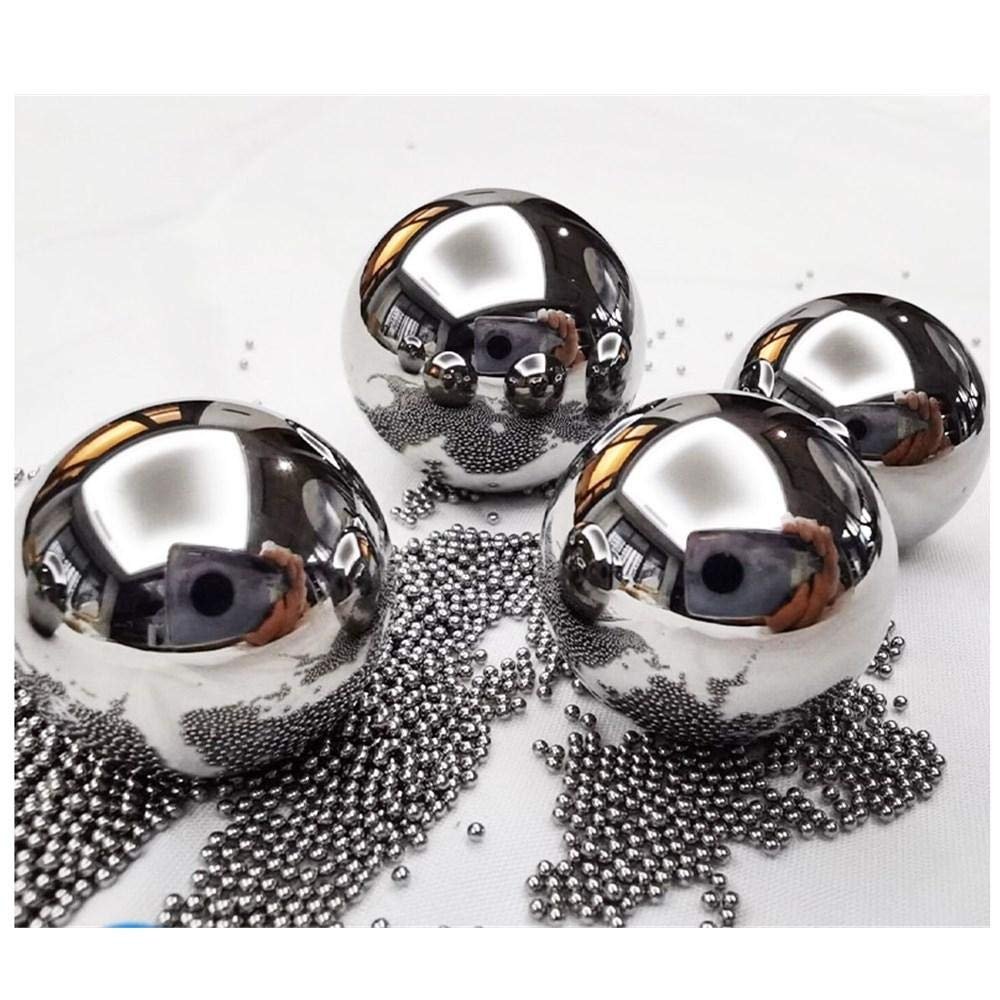
Ball bearings USA buyers source from domestic suppliers are among the most universal mechanical components ever made — and among the most consistently underestimated. They spin inside bicycle hubs, RC helicopter engines, fishing reels, electric motors, conveyor systems, and thousands of industrial machines running across the country right now. When they work, nobody thinks about them. When they fail, everything stops. RCBearings in Nashua, New Hampshire has supplied ball bearings USA customers trust for over 30 years — serving hobbyists, engineers, tackle shops, and maintenance teams throughout Massachusetts, New Hampshire, Lowell, and nationwide. Whether you’re replacing a worn hub bearing or spec’ing a batch for a production line, here’s everything you need to know before buying. What Ball Bearings USA Buyers Are Actually Purchasing A ball bearing is a precision assembly that allows two surfaces to rotate relative to each other with minimal friction. The anatomy is consistent across every size and application: an outer race, an inner race, a cage to keep the balls evenly spaced, and a set of hardened steel or ceramic balls rolling between them. When a shaft rotates inside the bearing, the balls roll along polished race surfaces, distributing load across multiple contact points simultaneously. This rolling motion creates dramatically less friction than two sliding surfaces — which is the entire purpose of the design. Less friction means less heat, less wear, less energy loss, and longer service life for everything downstream. Deep groove ball bearings are the most commonly purchased ball bearings USA buyers encounter across hobby, industrial, and consumer applications. They handle both radial loads (forces perpendicular to the shaft) and axial loads (forces along the shaft), which makes them extraordinarily versatile across wildly different applications. What Ball Bearings USA Buyers Need to Know About Steel Grade The quality gap between good ball bearings USA suppliers stock and cheap ones starts with the steel — and it’s a gap that doesn’t show up immediately. Quality ball bearings USA manufacturers produce are made from AISI 52100 bearing steel — also written as GCR-15 or 100Cr6. This alloy steel is specifically engineered for bearing applications, with a controlled carbide distribution that allows it to through-harden predictably during heat treatment. When properly processed, AISI 52100 reaches a Rockwell hardness of approximately 59–64 — hard enough to resist surface fatigue through millions of load cycles without becoming brittle under impact. Cheaper ball bearings USA bargain distributors sell use lower-grade steel, cut corners on heat treatment depth, or skip the secondary grinding steps that produce a truly smooth race surface. They look and feel the same as quality bearings on day one. After three to six months of real use, the difference shows up as pitting, grinding, and premature wear — typically when replacement is inconvenient and the failed bearing has damaged something else in the process. Ball Bearings USA: Standard Steel vs. Stainless — Which Do You Need? The right material for ball bearings USA applications depends almost entirely on operating environment, not on preference or price. Standard AISI 52100 ball bearings are the correct choice for most dry, controlled applications — RC helicopter engines, indoor industrial equipment, bicycle drivetrains that stay dry, and most general hobby use. They offer excellent hardness, wear life, and cost-effectiveness in the right conditions. Stainless steel ball bearings, made from heat-hardened 440C stainless stock, are the right call when moisture, humidity, or corrosive conditions are part of the picture. This includes fishing reels used in saltwater or freshwater, outdoor RC vehicles and helicopters stored in garages across New Hampshire and Massachusetts through winter, marine equipment, and any industrial application involving washdowns or wet processing environments. Riders, anglers, and hobbyists throughout Nashua, Lowell, and across New England know this trade-off well — seasonal moisture, road salt, and temperature swings in the region corrode standard ball bearings in exposed applications far faster than stainless. Specifying stainless steel ball bearings USA for the right applications prevents a lot of premature maintenance. Ball Bearings USA Seal Types: Open, Shielded, or Rubber Sealed? The seal or shield on a ball bearing is what stands between the precision internals and whatever environment the bearing is operating in. Ball bearings USA suppliers stock three main configurations: Open bearings have no seal — minimal drag, easy to re-lubricate externally, but zero contamination protection. Only appropriate for very clean, controlled environments where lubrication can be managed. Shielded bearings (ZZ) use a thin metal cover on one or both sides, reducing contamination ingress while keeping drag lower than a rubber seal. Good for indoor RC applications and cleaner industrial environments. Rubber sealed bearings (RS or 2RS) use a lip seal that contacts the inner race directly, providing the best protection against dust, dirt, and moisture. They add a small amount of drag but are far more protective in real-world environments. For most hobbyists, anglers, and industrial buyers across Massachusetts and New Hampshire, double-rubber-sealed ball bearings USA (2RS) strike the best long-term balance between protection and acceptable friction. How Ball Bearings USA Are Sized and Identified Ball bearings USA follow international standardized sizing conventions that make cross-referencing remarkably straightforward. Once you know the three key measurements — bore diameter (d), outer diameter (D), and width (B) — you can identify any standard bearing and find its exact replacement. Common series you’ll encounter when sourcing ball bearings USA: If you have a bearing in hand, the size code is usually stamped on the outer race. If the stamping is worn, measuring bore, outer diameter, and width with a digital caliper to the nearest 0.1mm is all you need to cross-reference the correct replacement from any quality ball bearings USA supplier. Why Tolerances Matter When Buying Ball Bearings USA Here’s a detail that separates knowledgeable bearing buyers from everyone else: tolerance class affects how ball bearings USA actually perform in your application — not just how precisely they were made. The ABEC scale (ABEC-1 through ABEC-7) governs dimensional and geometric tolerances on ball bearings USA manufacturers produce. Higher numbers mean tighter tolerances —
Industrial Bearings USA: How to Find the Right Supplier for Your Application
Industrial bearings USA buyers source for manufacturing plants, conveyor systems, pumps, and motors are the kind of component you only think about when something goes wrong. When a production line stops mid-shift, a pump starts throwing vibration, or a motor runs hot — nine times out of ten, a bearing is the culprit. And yet, despite being the backbone of rotating equipment across American manufacturing floors, industrial bearings remain one of the most under-researched purchases most facilities and engineers make. RCBearings has spent over 30 years supplying industrial bearings USA customers trust — with roots in Nashua, New Hampshire and a distribution network reaching Lowell, Massachusetts, throughout New Hampshire, and all 50 states. Here’s what every engineer, plant manager, and maintenance buyer should understand before placing their next order. What Are Industrial Bearings USA Manufacturers and Engineers Actually Buying? At their core, industrial bearings USA facilities use are precision components designed to allow controlled motion between two surfaces — typically a rotating shaft and its housing — while carrying radial loads, axial loads, or both. Deep groove ball bearings are the most widely used type, but the category also includes angular contact bearings for combined load scenarios, cylindrical roller bearings for heavier radial loads, and thrust bearings for purely axial applications. The quality variation within industrial bearings USA buyers encounter is enormous, and it almost always comes down to three things: the steel grade used, the tolerances held during manufacturing, and the seal or shield protecting the internal components. Two bearings that look identical on the shelf can perform completely differently in the field — one running cleanly for years, the other pitting, vibrating, and failing within months. What Is ABEC Tolerance Class, and Does It Matter? If you’ve ever seen ratings like ABEC-1, ABEC-3, ABEC-5, or ABEC-7 on bearing documentation, those refer to the Annular Bearing Engineers’ Committee tolerance standards widely used across the USA. Higher ABEC numbers indicate tighter manufacturing tolerances — closer dimensional accuracy on bore, outer diameter, width, and runout. For general industrial applications like electric motors, pumps, fans, and conveyor rollers, ABEC-1 and ABEC-3 are typically adequate. As you move into higher-speed or higher-precision equipment — machine tool spindles, precision instrumentation, robotics — ABEC-5 and above become relevant. The mistake many buyers make is defaulting to the highest tolerance class available. In reality, the added cost of tighter tolerances is only justified when the application genuinely demands it. For most industrial bearings USA plants run day-to-day, well-manufactured ABEC-1 or ABEC-3 bearings from a quality domestic supplier will outperform cheaper, poorly made ABEC-5 bearings every single time. Steel Grade: Why AISI 52100 Is the Benchmark for Industrial Bearings USA Quality industrial bearings USA buyers should look for are manufactured from AISI 52100 bearing steel — also known as GCR-15 or 100Cr6. This alloy steel is specifically formulated for bearing applications, heat-hardened to a Rockwell hardness of approximately 59–64, and processed through grinding and polishing steps that produce the smooth, precise surfaces bearings need to perform reliably under sustained load. This heat treatment process is not cosmetic. It’s what gives the bearing race and ball surfaces the hardness needed to resist micro-fatigue under repeated loading cycles — and it’s one of the first steps cut in lower-quality bearings. If a bearing hasn’t been properly through-hardened to spec, it will wear far faster than expected regardless of what the product listing says. When to Specify Stainless Steel for Industrial Bearings USA Applications Standard AISI 52100 bearing steel handles the vast majority of industrial applications cleanly. But there are environments where corrosion resistance matters as much as wear resistance — food and beverage processing, outdoor equipment, wet environments, marine applications, and anywhere chemical washdowns are routine. For these environments, 440C stainless steel bearings are the correct specification. Made from heat-hardened stainless stock, they offer corrosion resistance that standard carbon steel simply can’t match while still delivering comparable hardness and wear performance. For facilities across Massachusetts and New Hampshire where seasonal humidity and temperature swings accelerate corrosion on improperly specified components, stainless industrial bearings can extend maintenance intervals significantly. Seals vs. Shields: Choosing the Right Protection for Your Environment The right seal choice for industrial bearings USA facilities select depends entirely on operating environment — and it has a direct impact on how long a bearing lasts. Metal shields (the “ZZ” designation) reduce drag and dissipate heat efficiently, making them suitable for higher-speed, cleaner environments. Rubber seals (the “RS” or “2RS” designation) create a tighter contact against the inner race — better protection against dust, debris, and moisture, making them the right choice for dirtier or wetter production environments. For most general industrial applications in New Hampshire and Massachusetts facilities, double-sealed bearings (2RS) strike the best balance between contamination protection and acceptable drag at operating speeds. The Real Cost of Cutting Corners on Industrial Bearings USA Plants Rely On It’s tempting to treat industrial bearings USA buyers source as a commodity and shop purely on price. But the true cost of a bearing purchase isn’t the unit price — it’s the total cost of downtime, labor, and secondary damage when it fails prematurely. A bearing that fails on a production line doesn’t just cost the price of the replacement. It costs the labor to diagnose and fix the failure, the downtime during the repair, and any secondary damage to shafts, housings, or adjacent components. Buying industrial bearings USA equipment depends on from a supplier with genuine quality control is one of the most straightforward ways to reduce unplanned downtime. The savings on a cheap bearing rarely offset the cost of the failure. Why Domestic Sourcing Matters for Industrial Bearings USA Buyers Lead times, accuracy, and accountability — these are the practical reasons why buying industrial bearings USA from a domestic supplier makes sense for most facilities. When a bearing fails and you need a replacement to get equipment running again, waiting weeks for overseas parts is simply not an option. RCBearings in Nashua, New Hampshire stocks a wide range

RC Engine Bearings New Hampshire: 4 Things Pilots Miss
New Hampshire has a bigger RC flying and hobby community than people from outside the state usually assume — clubs running fields from the Seacoast up through the Lakes Region, and a fair number of fliers scattered around Manchester, Concord, and the towns near us here in Nashua. Sourcing RC engine bearings in New Hampshire, though, is one of those things almost everyone figures out the hard way at least once. Here’s what tends to get missed. 1. Model-Specific Specs Matter More Than People Expect A Thunder Tiger 56H bearing and an OS .105 HZ bearing are not interchangeable, even though both are glow engine bearings in a similar size range. The load tolerance and heat handling differ enough that a “close enough” substitute can wear out fast, sometimes within a single flying season. If you’re not sure of your exact engine model, that’s the first thing to nail down before ordering anything. 2. Heli Engines Wear Bearings Faster Than Fixed-Wing Engines This one surprises newer pilots. Helicopter engines run at sustained high RPM under continuous load in a way most fixed-wing setups don’t, which means heli bearings — including on popular engines like the OS .105 HZ — tend to need replacing on a shorter cycle. Checking bearing play as part of routine maintenance, rather than only after a problem shows up, saves a lot of headaches. 3. Local Hobby Shops Often Don’t Stock the Right Bearing This is probably the biggest one. Most general hobby shops across New Hampshire carry planes, kits, and basic parts, but specific engine bearings for something like a Thunder Tiger 56H usually aren’t sitting on a shelf anywhere nearby. Pilots often end up ordering from a marketplace listing that isn’t confirmed to the exact spec, which is how a lot of “close enough” bearings end up in engines that deserved better. 4. Shipping Speed Actually Matters for a Grounded Engine If your heli or plane is sitting disassembled waiting on a bearing, a supplier that’s actually within the state — rather than a warehouse three states over — makes a real difference in how many flying weekends you lose. We’re based in Nashua and ship RC engine bearings across New Hampshire, generally same-day or next-day depending on when the order comes in. What We Stock for New Hampshire Pilots We carry engine bearings and heli bearings for a range of popular RC models, including the Thunder Tiger 56H and OS .105 HZ, sourced directly from manufacturers rather than relabeled substitutes. That sourcing approach matters here more than with a generic mechanical bearing — a mismatched tolerance class under sustained RPM load fails a lot faster than the same mismatch would in a slow-moving fan motor. ISO’s bearing tolerance standards give a general sense of how much that variance can affect part life, and it’s magnified further under the heat and load an RC engine produces. Flying Somewhere Else in New Hampshire? Whether you’re near Nashua, up around Manchester and Concord, or out toward the Lakes Region, we ship RC engine bearings across the whole state. Browse our heli bearings and engine bearings categories, or send us your engine model and we’ll help confirm the exact bearing spec before you order.
Ball Bearings NH: 5 Questions We Get Asked Weekly
Somewhere between five and ten times a week, someone from around the state calls or emails asking almost the exact same set of questions about ball bearings in NH. So instead of answering them one at a time, we figured it made more sense to put the answers in one place. “What size ball bearing do I actually need?” Honestly, this is the one that trips people up the most. Most ball bearings have a code stamped right on the shield — something like 608ZZ or 6203-2RS — and that code tells you almost everything: inner diameter, outer diameter, and width. If the stamp has worn off, which happens more often than you’d expect on older equipment, measure the three dimensions directly and we can usually match it from there. “Can I buy just one, or do I have to order a pack of ten?” You can buy one. This comes up constantly with people doing a single repair — a skateboard wheel, a garage fan, a piece of shop equipment — who don’t need or want nine spares sitting in a drawer. We sell ball bearings individually as well as in bulk packs for shops that go through more volume. “Do you actually ship to my part of New Hampshire?” Yes. We’re based in Nashua, but we ship ball bearings across the whole state — up through Manchester and Concord, and out to the towns in between. Most orders within New Hampshire move within a day or two of processing. “What’s the difference between shielded and sealed?” A shielded bearing (marked ZZ) keeps out larger debris but isn’t fully sealed against moisture or fine dust. A sealed bearing (marked 2RS) has rubber seals on both sides and holds up better in wetter or dirtier conditions — think outdoor equipment or bicycle hubs — though it can spin with slightly more resistance. Which one you want really depends on the application. “Why does one listing cost half what another does for the same size?” This is worth asking about directly rather than assuming the cheaper one is just a better deal. Some ball bearings are resold through two or three distributors before reaching a marketplace listing, and tolerance class can vary more than people realize even within bearings that look identical. Buying from a supplier who sources directly from manufacturers tends to avoid that guesswork entirely. Where This Leaves You If you’re anywhere in New Hampshire and need ball bearings — whether it’s a single replacement part or a standing order for a shop — we’re set up to handle both. We buy directly from manufacturers, which keeps specs consistent, and our Nashua location means most of the state gets fast shipping without waiting on an out-of-state warehouse. For a deeper look at why tolerance class affects performance this much, ISO’s bearing tolerance standards are worth a skim. Need Help Matching a Size? Send us the stamped code or the measured dimensions and we’ll help confirm the right ball bearing before you order. Browse the full ball bearing catalog, or check our engine bearings and bicycle bearings if your repair falls outside the standard ball bearing category. We ship across New Hampshire and into Massachusetts, contact us any time.
Bearing Supplier New Hampshire: 6 Mistakes to Avoid
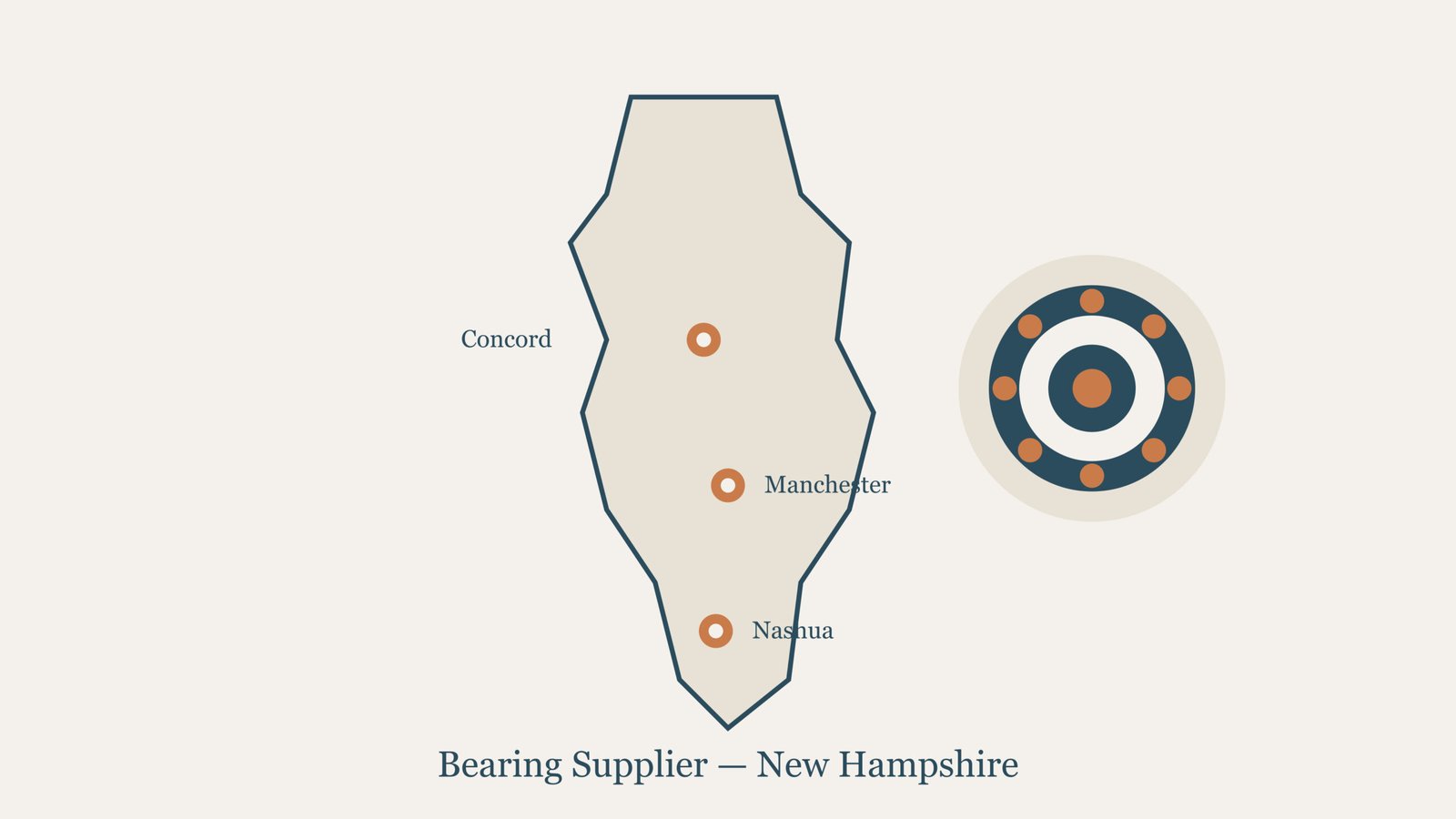
We’ve been shipping to customers all over New Hampshire long enough to notice the same handful of mistakes come up again and again when people are choosing a bearing supplier New Hampshire businesses actually rely on. Some of these are small and forgivable. A couple of them end up costing people a second order, or worse, a repeat repair a few months down the line. Here’s what we’ve seen, and what tends to actually work instead. Mistake 1: Assuming All Bearing Suppliers Source the Same Way This one trips up more people than you’d think. A bearing listed at half the price of a competitor isn’t always a deal — sometimes it’s a lower tolerance grade, or it’s been relabeled after passing through two or three distributors before reaching a marketplace listing. When you’re picking a bearing supplier in New Hampshire, ask directly where the stock comes from. A supplier buying straight from the manufacturer can usually tell you without hesitating. Mistake 2: Not Checking If They’re a Bearing Supplier in New Hampshire That Covers Your Area New Hampshire is a bigger sourcing footprint than people assume once you get outside the Nashua-Manchester corridor. We regularly ship to customers up toward Concord and Berlin, not just the southern tier. A bearing supplier New Hampshire businesses trust should be able to reach the whole state reasonably fast — if a company can’t confirm shipping timelines outside their immediate town, that’s worth asking about before you order. Mistake 3: Ordering Bulk Packs When You Only Need One Bearing We get this question constantly. Someone needs a single bearing for a repair, and every listing they find is sold in packs of ten. It’s a small annoyance, but it adds up in cost and waste. Look for a supplier who sells miniature and individual bearings as singles, not just in bulk. Mistake 4: Skipping the Spec Sheet A bearing’s inner diameter, outer diameter, width, and shield type all matter — sometimes down to a fraction of a millimeter. Buying based on a photo or a vague product title instead of a confirmed spec is one of the most common reasons people end up reordering. If a listing doesn’t show clear dimensions, that’s a red flag rather than a minor inconvenience. Mistake 5: Not Asking About Product Range Plenty of suppliers cover ball bearings well but have almost nothing for fishing reels, bicycles, or RC hobby engines. If your needs span more than one category, it’s worth checking a supplier’s full catalog rather than assuming they carry everything a basic search suggests. Mistake 6: Choosing Based on Price Alone We understand the instinct — bearings feel like a commodity part, so why pay more? In practice, a bearing that fails early because of a lower-grade steel or a mismatched tolerance ends up costing more in downtime and reorders than the few dollars saved upfront. What We’ve Learned After 30+ Years Serving New Hampshire RC Bearings is based in Nashua, but our customer base runs the length of the state — Manchester, Concord, Lowell just across the Massachusetts line, and plenty of towns in between. We buy directly from manufacturers across ball bearings, engine bearings, ceramic bearings, fishing reel bearings, bicycle bearings, and miniature bearings, which keeps specs accurate and pricing fair no matter where in New Hampshire an order is headed. For a general sense of why tolerance class matters this much, ISO’s bearing standards lay out how much variance exists even within bearings that look identical on the surface. Looking for a Specific Category? Browse ball bearings, engine bearings, or our full bearing catalog, or reach out if you’re not sure which spec fits your repair. We ship across New Hampshire and Massachusetts, and we’re happy to help match a part before you order rather than after a return.
Heli Bearings Near Me? 5 Essential Tips for NH Pilots
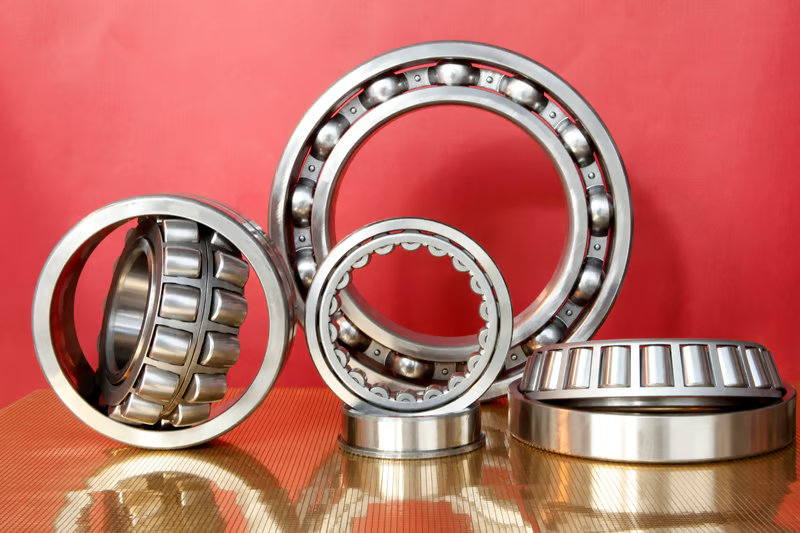
If you fly RC helicopters around Nashua, Lowell, or anywhere else in New Hampshire and Massachusetts, you already know the frustration of searching “heli bearings near me” and landing on generic hobby-shop listings that don’t specify the exact spec your engine needs. Here’s what actually helps when you’re trying to source the right bearing quickly. Tip 1: Know Your Exact Engine Model Before You Search “Heli bearings” alone isn’t specific enough — a Thunder Tiger 56H and an OS .105 HZ need different bearing specs entirely. Have your engine model on hand before you start comparing suppliers, and search for the model number directly rather than a generic term. This single step saves more time than any other part of the sourcing process. Tip 2: Prioritize Suppliers Who List Exact Specs Look for inner diameter, outer diameter, width, and shield type listed clearly — not just a vague “compatible with most engines” claim. Heli engines run hotter and faster than most mechanical applications, so a mismatched tolerance shows up quickly as vibration or premature wear. According to general ISO bearing tolerance standards, even small deviations between tolerance classes can noticeably shorten part life — and that effect is magnified under sustained high-RPM load. Tip 3: Check for Direct Manufacturer Sourcing A lot of “heli bearings near me” results are resold through multiple distributors before reaching you, which increases the chance of a relabeled or lower-grade substitute. Buying from a supplier who sources directly from manufacturers reduces that risk significantly, and usually means more consistent quality order to order. Tip 4: Factor in Shipping Speed, Not Just Price If your heli is grounded waiting on a part, a supplier two towns over in Nashua who ships same-day beats a marginally cheaper listing from a warehouse three states away. For pilots across Nashua, Lowell, and the rest of NH and MA, local sourcing genuinely shortens downtime, especially heading into a weekend flying session. Tip 5: Ask If They Stock Both Heli and Engine Bearings Helicopters need bearings in more places than just the main engine — tail rotor shafts, drive components, and the engine itself all use different specs. A supplier who stocks a full range, rather than just one category, saves you from juggling multiple orders from different sources when a full maintenance pass is due. Where RC Bearings Fits In We’re based in Nashua, NH, and stock heli bearings and engine bearings for popular RC models — including the Thunder Tiger 56H and OS .105 HZ — sourced directly from manufacturers. Pilots across Nashua, Lowell, and the wider New Hampshire and Massachusetts area typically get same-day or next-day shipping instead of waiting on a national warehouse three states away. Not Sure Which Bearing Your Heli Needs? Send us your engine model and we’ll help confirm the exact spec before you order. Browse our heli bearings and engine bearings categories, or reach out directly — we’re happy to help match the part before it ships.
OS .105 HZ Bearings Failing? 4 Warning Signs to Know
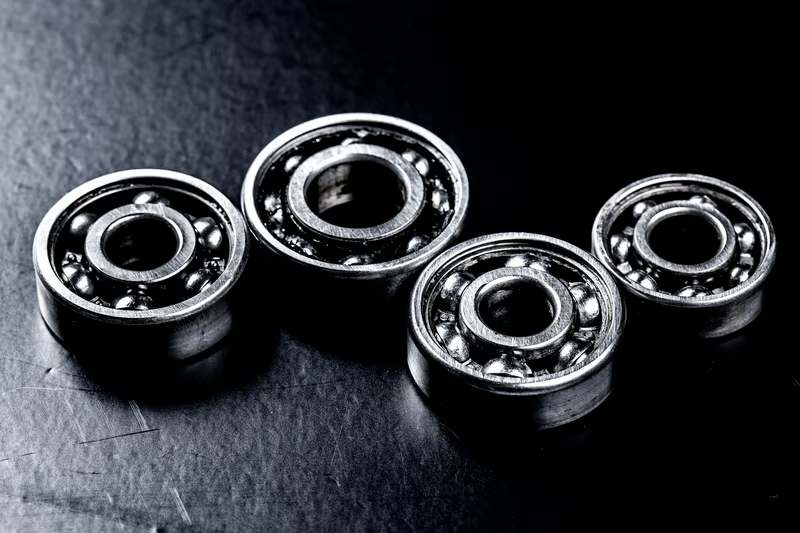
The OS .105 HZ is a popular choice for larger RC helicopters, and like any hard-working glow engine, its OS .105 HZ bearings take a beating over time from heat cycling and rotational load. If your heli’s engine has started feeling off, here’s how to tell whether the bearings are the culprit — and what to do about it. Sign 1: Increased Vibration Through the Airframe Helicopters are already vibration-prone by nature, but a sudden increase — especially one that shows up after a fresh tune — often traces back to bearing wear rather than a carb or head gasket issue. Worn OS .105 HZ bearings let the crankshaft flex slightly under load, and that flex transmits directly into the frame. Sign 2: A Rough or Gritty Feel When Turning the Crankshaft With the glow plug removed, spin the crank slowly by hand. A smooth engine should feel evenly resistant throughout the rotation. Grittiness, catching, or uneven resistance usually points to worn OS .105 HZ bearings rather than a piston or sleeve problem. Compare the feel side to side if you have a second engine on hand — it’s the fastest way to notice subtle wear. Sign 3: Noticeable Play in the Prop Drive or Clutch Assembly Side-to-side play at the output shaft, beyond what’s normal for the engine’s design tolerance, is a strong sign the front bearing has worn beyond spec. Left unaddressed, this play accelerates wear on the clutch bell and drive gear as well. Sign 4: A Metallic Knock at Idle That Wasn’t There Before This is often the last-stage symptom before a bearing fails outright — worth addressing immediately rather than flying another session on it. A bearing that fails mid-flight can cause far more damage to the crankcase and sleeve than a planned replacement ever would. What Makes OS .105 HZ Bearings Different From a Generic Bearing? Heli engines like the OS .105 HZ run at sustained high RPM under continuous load, which means the bearing needs to handle both heat and radial stress well beyond what a general-purpose mechanical bearing is rated for. This is exactly why we source directly from manufacturers rather than relying on generic hobby-shop substitutes that are “close enough” on paper but not built for this application. General ISO bearing tolerance guidelines illustrate how much variance exists between tolerance classes — and that variance matters even more under the sustained load a heli engine produces. Sourcing OS .105 HZ Bearings and Other Heli Bearings in Nashua, NH We’re based in Nashua, NH, and stock heli bearings and engine bearings for popular models including the OS .105 HZ, shipped quickly across our New Hampshire and Massachusetts service area, including Lowell. Because we buy directly from manufacturers, you get the correct spec on the first order instead of guessing from a marketplace listing. Need Help Matching Your Engine to the Right Bearing? If you’re not sure which bearing your OS .105 HZ or another heli engine needs, send us the engine model and we’ll help confirm the spec before you order — it’s a lot cheaper than a second shipment after a mismatched part. Browse our full heli bearings and engine bearings categories, or get in touch directly.
Thunder Tiger 56H Bearing Problems: 5 Warning Signs
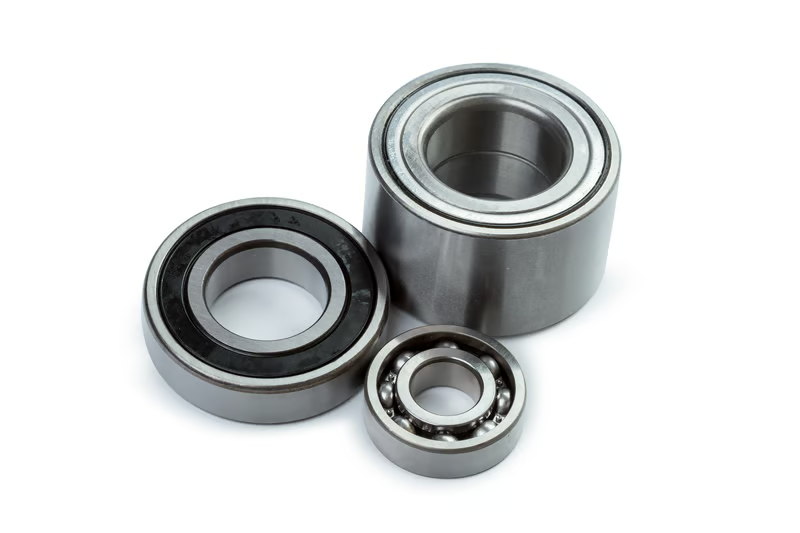
If your Thunder Tiger 56H has started sounding rough, losing RPM, or vibrating more than usual, the front or rear bearing is one of the first things worth checking. We get asked about the Thunder Tiger 56H bearing regularly from RC pilots around Nashua, NH and the wider flying community, so here’s a straight answer to the warning signs and questions that come up most. 1. How Do I Know if My Thunder Tiger 56H Bearing Needs Replacing? A few telltale signs: If any of these sound familiar, pulling the engine and checking the Thunder Tiger 56H bearing directly is the safest next step, before the wear spreads to the crankshaft or sleeve. 2. What’s the Right Spec for a Thunder Tiger 56H Bearing? This is where a lot of pilots run into trouble — generic hobby shop bearings are sometimes sold as “close enough” substitutes, but engine bearings for a two-stroke like the 56H need to handle both radial load and the heat cycling of glow fuel combustion. Getting the exact ID, OD, and width match, plus the correct shield type, matters more here than with a generic mechanical bearing. A mismatched tolerance class can shorten bearing life dramatically, which is well documented in general ISO bearing tolerance standards — the same principle applies directly to small glow engines like the 56H. 3. Can I Replace the Bearing Myself? Most experienced RC builders can do this at home with basic tools — a bearing puller or a simple heat-and-tap method, a clean workbench, and the correct replacement on hand. The part that trips people up isn’t the swap itself, it’s sourcing the right Thunder Tiger 56H bearing quickly instead of waiting a week for a mismatched online order. Take photos of the bearing orientation before removal, and keep the old bearing on hand to confirm the exact stamped size against the replacement. 4. Where Can Nashua-Area Pilots Get a Thunder Tiger 56H Bearing Quickly? We’re based right in Nashua, NH, and stock engine bearings for popular RC engines including the Thunder Tiger 56H, sourced directly from manufacturers rather than relabeled substitutes. For pilots across Nashua, Lowell, and the rest of New Hampshire and Massachusetts, that usually means same-day or next-day availability instead of a long shipping wait from an out-of-state warehouse. 5. What Else Should I Check While the Engine Is Apart? While you’ve got the case open, it’s worth also checking the rear bearing (not just the front), inspecting the crankshaft for scoring, and confirming the carb needle hasn’t drifted from your last tune. A worn Thunder Tiger 56H bearing is often the first sign of a wider maintenance cycle, so it’s a good moment to do a full once-over rather than just swapping one part and buttoning it back up. Many pilots also take the opportunity to check the glow plug condition and muffler pressure fitting, since all three tend to age on a similar timeline. Looking for Other RC Engine Bearings? Beyond the Thunder Tiger 56H, we also stock bearings for OS engines, general engine bearings, and heli bearings for helicopter powertrains. Browse our full engine bearing catalog or contact us with your engine model and we’ll help match the exact spec