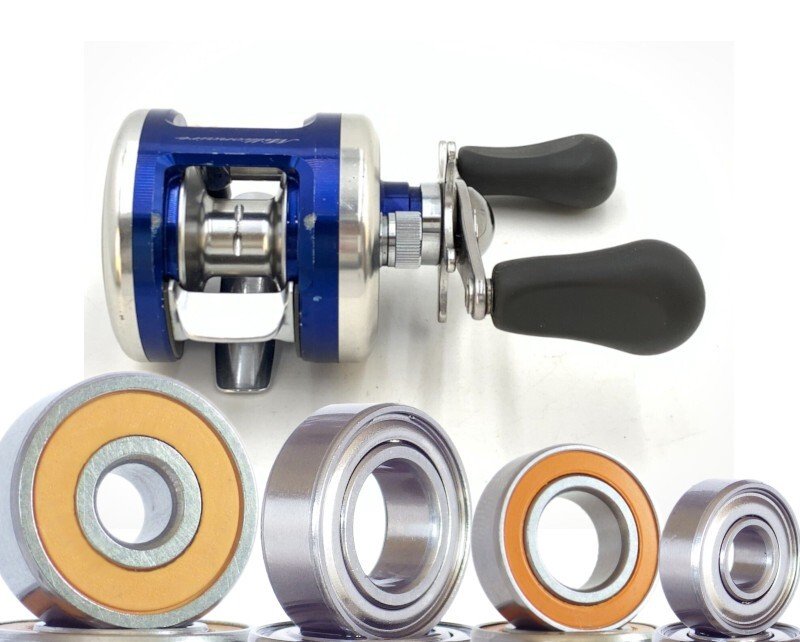
Ask ten anglers what fishing reel bearings actually do and you’ll get ten different half-right answers. Most people know “more bearings is better” as a rule of thumb, but that’s only part of the story — where the bearings are located and how well they’re made matters just as much as how many the reel has. What Do Bearings Do in a Fishing Reel? Every moving part inside a reel that spins — the spool, the handle shaft, the line roller — needs something to reduce friction between the moving metal and the reel frame. That’s the job of the bearing. A ball bearing reel uses precision steel or ceramic balls inside a race to let those parts spin freely with minimal resistance, instead of grinding metal directly against metal (or relying on a plain bushing, which has noticeably more friction). More specifically: Spool Bearings and Baitcaster Performance On a baitcasting reel specifically, spool bearings do more work than almost any other component in the reel. Baitcaster bearings need to let the spool spin at very high RPM the instant the cast starts, then slow down smoothly without binding — that’s what prevents backlash. Cheap or worn bearings can’t keep up with that speed change cleanly, which is why baitcasters with fresh, high-quality spool high speed bearings cast noticeably farther and smoother than the same reel with worn ones. Does Bearing Count Actually Matter? It matters less than reel marketing suggests. A reel with 10 low-quality bearings can perform worse than a reel with 4 precision bearings placed in the right spots. What actually determines performance is: When to Replace Reel Bearings If a reel’s casting distance has dropped, the spool feels like it hesitates instead of spinning freely, or you’re hearing grinding when you spin the handle, it’s almost always a bearing problem rather than a technique problem. Reel bearings that see regular saltwater use should be inspected or serviced at least once a season. Final Thoughts Understanding what fishing reel bearings actually do makes it a lot easier to diagnose why a reel has slowed down — and a lot easier to know exactly which bearings are worth upgrading first. If you’re rebuilding a baitcaster or spinning reel and aren’t sure which bearing sizes you need, send us the reel model and we’ll match the correct kit. Shop Fishing Reel Bearings → [https://rcbearings.com/fishing-reel-kits/] Questions about fitment? Call (978) 254-3987 — we’re happy to confirm before you buy.
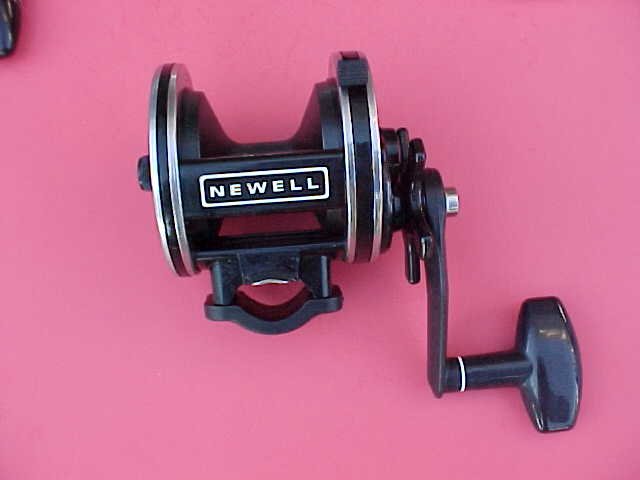
Newell Fishing Reels Bearing Guide: Upgrades & Replacements
Anglers who fish newell fishing reels tend to hold onto them for years, sometimes decades — these are reels built to be serviced and passed down, not replaced. But every reel, no matter how well built, eventually needs its bearings refreshed. If a Newell that used to cast effortlessly is starting to feel sluggish, the spool bearings are almost always the first place to look. Why Newell Reels Are Worth Maintaining, Not Replacing Newell reels have a reputation among serious anglers for being rebuildable rather than disposable. Unlike a lot of modern reels that are designed to be replaced when they wear out, Newell’s construction makes it straightforward to swap individual components, including the spool bearings, without needing to replace the whole reel. That’s part of why so many anglers search for newell fishing reels for sale specifically looking for older models — they know the reel itself will outlast several bearing services. Signs Your Newell Needs a Bearing Service Reel bearings take on saltwater, sand, and general grit every time the reel is used, and that buildup slows the spool down gradually — often gradually enough that anglers don’t notice until they compare it to a freshly serviced reel. Choosing Replacement Bearings for a Newell Reel Precision fit matters more on a Newell than on most reels, since the whole appeal of the platform is smooth, low-friction casting. We stock replacement bearing sets sized to match Newell spool tolerances, so the swap restores the reel’s original performance instead of introducing new play or drag. For anglers fishing saltwater regularly, a sealed or stainless bearing option will hold up considerably longer between services than standard chrome steel. A Note on Johnny Morris Signature Reels Anglers searching for a johnny morris reel bearing upgrade are usually running a Newell-based signature model, and the same fitment principles apply — matching OEM tolerances is what actually restores casting performance, not just installing “a bearing that fits close enough.” Final Thoughts A Newell reel that’s starting to feel slow isn’t usually a reel that needs replacing — it’s a reel that needs its bearings serviced. If you’re not sure which bearing size matches your model, send us the reel model and we’ll confirm before you order. Shop Fishing Reel Bearings → [https://rcbearings.com/fishing-reel-kits/] Questions about fitment? Call (978) 254-3987 — we’re happy to confirm before you buy.

Abu Garcia Ambassadeur 5000 Bearing Upgrade Guide
The abu garcia ambassadeur 5000 has been a workhorse baitcasting reel for decades, and it’s still one of the most common reels we get bearing questions about. It’s a tough, reliable reel — but the stock bushings and bearings that shipped with older models were never built for the kind of casting distance and spool speed serious anglers push them to today. A bearing upgrade is one of the cheapest, most noticeable performance changes you can make to an ambassadeur reel 5000. Why Upgrade the Bearings on an Abu Garcia 5000? Older abu garcia 5000 reels, especially models from before the mid-2000s, often shipped with bushings instead of full ball bearings on the spool. Bushings work fine for casual use, but they create more friction than a sealed ball bearing, which means shorter casts and more backlash under load. Swapping those bushings for precision ball bearings reduces spool drag significantly — anglers who make this swap usually notice longer, smoother casts almost immediately. Even reels that already have ball bearings benefit from a refresh. Bearings that have seen saltwater exposure, sand, or a few seasons of hard use develop internal corrosion and grit that slows the spool down, even if it’s not obvious just spinning it by hand. What Bearings Fit the Ambassadeur 5000? The spool bearings on most abu garcia ambassadeur 5000 models are small, precision-ground bearings that need to match OEM tolerances closely — too loose and you get play in the spool, too tight and you add drag instead of removing it. We stock replacement bearing sets sized specifically for the 5000 series, so you’re not stuck reverse-engineering dimensions from a worn-out original. For anglers running the reel in saltwater, we’d recommend a stainless steel or sealed bearing option over standard chrome steel — it holds up far better against corrosion and doesn’t need to be serviced nearly as often. How to Tell If Your Reel Needs a Bearing Upgrade If any of that sounds familiar, it’s usually a bearing issue before it’s a technique issue. Final Thoughts The ambassadeur 5000 is a reel worth keeping in service for years, and a bearing upgrade is one of the most cost-effective ways to keep it casting like new. If you’re not sure which bearing set matches your specific 5000 model or year, reach out with the model number and we’ll confirm fitment before you order. Shop Fishing Reel Bearings → [https://rcbearings.com/fishing-reel-kits/] Questions about fitment? Call (978) 254-3987 — we’re happy to confirm before you buy.

RC Car Bearings Guide: Best Bearings for RC Cars & Helicopters
If you’ve ever pulled a stock bearing out of a nitro engine or a heli main shaft and found it gritty, loose, or rusted after a single season, you already know why picking the right rc car bearings matters more than most hobbyists realize. At RC Bearings, we’ve spent over 30 years supplying precision ball bearings out of Nashua, New Hampshire to RC racers, heli pilots, and hobby shops across New Hampshire, Massachusetts, and nationwide — and the single biggest performance complaint we hear isn’t about motors or ESCs. It’s bearings. This guide breaks down what actually separates a good set of rc bearings from a bad one, which bearings fit which platforms, and how to choose correctly for OS .91 and OS .105 engines, popular heli frames, and everyday RC car maintenance. What Makes RC Car Bearings Different From Standard Bearings? RC car bearings run at extremely high RPM in a dirty, vibration-heavy environment — dust, mud, water, and nitro fuel residue all work their way into the bearing race over time. Standard commercial-grade bearings aren’t built for that combination of speed and contamination, which is why they wear out fast, seize up, or start “notching” (that gritty feeling when you spin the shaft by hand). Purpose-built rc bearings solve this in three ways: Which Bearings Fit OS .91 and OS .105 Engines? OS .91 and OS .105 HZ engines are among the most common powerplants in gas-and-nitro RC cars and large-scale RC planes, and both rely on front and rear crankshaft bearings that take a beating from heat and vibration. A worn crank bearing on either engine shows up as excess shaft play, a rough idle, or a whining sound at high RPM that wasn’t there before. We stock direct-fit replacement kits sized specifically for OS .91 and OS .105 engines, matched to OEM tolerances so you’re not guessing at dimensions or hoping a “close enough” bearing holds up. Swapping worn crank bearings on either engine is one of the most cost-effective ways to extend engine life — it’s a fraction of the price of a rebuild or replacement engine. Best Bearings for RC Helicopters Heli platforms put bearings under a different kind of stress than cars — constant rotational load on the main shaft, tail rotor, and swashplate, with very little tolerance for play before you start seeing vibration in the blades. We supply model-specific bearing kits for the platforms most commonly flown by our customers, including: Each kit is matched to the exact bearing sizes that platform calls for — main shaft, feathering shaft, and tail case bearings all have different tolerance requirements, and mixing up sizes even slightly can introduce vibration that’s hard to diagnose later. If you’re not sure which kit matches your frame, send us your model and we’ll confirm the correct bearing set before you order. Signs Your RC Car or Heli Bearings Need Replacing Most hobbyists replace bearings reactively instead of on a schedule, which usually means catching the problem after it’s already affected performance. Watch for: Catching worn bearings early protects the more expensive parts around them — a failing wheel bearing can chew up an axle, and a failing crank bearing can damage the engine case if it’s ignored long enough. Why RC Hobbyists Choose RC Bearings We’ve been supplying precision bearings from our Nashua, NH location for over three decades, and RC/hobby bearings are one of the categories we get the most repeat orders on — from local racers in Nashua and Lowell, MA, to customers ordering from across New Hampshire and nationwide. Every rc bearings kit we sell is chosen for fit first, not just price, because a bearing that’s slightly wrong in size or tolerance causes more problems than it solves. If you’re maintaining an OS .91 or OS .105-powered car, or keeping a Goblin, Gaui, Mikado Logo, OMP, TRON, or XL Power heli in the air, browse our RC and hobby bearing category or reach out with your model and we’ll help you find the exact fit. Shop RC & Hobby Bearings → [https://rcbearings.com/shop-list-view/] Have a question about which bearing fits your build? Call us at (978) 254-3987 or reach out directly — we’re happy to confirm fitment before you order.
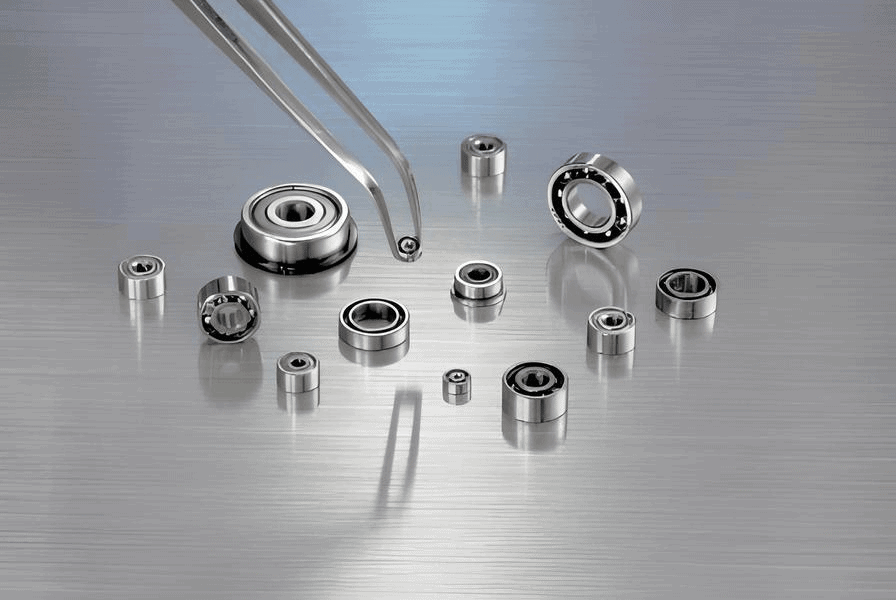
Miniature Bearings USA: The Precision Parts That Power RC, Hobby, and Industrial Equipment
Miniature bearings USA buyers source for RC helicopters, fishing reels, and precision instruments are proof that the most demanding work often gets done by the smallest components. In a helicopter tail rotor, a fishing reel spool pin, a dental handpiece, or a precision scientific instrument, the bearing keeping everything running smoothly might be smaller than your thumbnail — and it’s being asked to perform with accuracy and consistency that many larger components couldn’t match under the same conditions. RCBearings in Nashua, New Hampshire has supplied miniature bearings USA customers depend on across the country for over 30 years — serving RC pilots, hobbyists, tackle shops, and precision equipment builders throughout Massachusetts, New Hampshire, Lowell, and nationwide. Here’s everything that matters when choosing miniature bearings USA for your specific application. What Are Miniature Bearings USA Buyers Actually Purchasing? Miniature bearings USA are generally defined as ball bearings with an outer diameter of 9mm or less, though the category is sometimes extended to include all bearings with a bore diameter of 10mm or less depending on the industry and application. They follow the same fundamental design as larger ball bearings — inner race, outer race, cage, and balls — but are manufactured to significantly tighter tolerances because dimensional inaccuracies that are negligible in a 50mm bearing become critical in a 5mm one. The most commonly used miniature bearings USA series for RC, hobby, and fishing applications include: Why Tolerance Matters Even More in Miniature Bearings USA In a large industrial bearing, a dimensional variation of 0.01mm on the bore is a minor issue that can often be absorbed by housing fits or controlled preload. In miniature bearings USA with a 3mm bore, that same variation represents a much larger proportion of the overall dimension — and the impact on runout, vibration, and component fit is proportionally far greater. For buyers of miniature bearings USA, this means that tolerance class and manufacturing consistency matter more at smaller sizes, not less. A miniature bearing made to loose tolerances doesn’t perform slightly worse than a precision one — it can introduce vibration and runout that completely undermines the application’s purpose. RC helicopter tail rotor bearings are a clear example of where miniature bearings USA quality directly affects performance. At the speeds a tail rotor operates, even small amounts of radial runout in a miniature bearing create vibration that travels through the boom to the entire airframe. Experienced pilots in New Hampshire and Massachusetts who’ve dealt with persistent, unexplained tail rotor vibration often trace the source to miniature bearings USA that were made to loose or inconsistent tolerances. Steel Grade Options for Miniature Bearings USA Applications The same steel grade considerations that apply to larger bearings apply to miniature bearings USA — with one additional emphasis: at small sizes, the consistency of the steel’s microstructure becomes even more critical, because balls and races have less material volume to average out any manufacturing variation. AISI 52100 bearing steel is the standard choice for miniature bearings USA in RC engines, bicycle components, and dry-environment hobby applications. When properly heat-treated to Rockwell hardness 59–64, it provides excellent wear life even at the small dimensions miniature bearings USA require. 440C stainless steel is the correct choice for miniature bearings USA in fishing reels, outdoor RC equipment stored in New Hampshire and Massachusetts garages through winter, and any application involving moisture exposure. The corrosion resistance advantage of stainless becomes even more pronounced at small bearing sizes — tiny amounts of surface rust on a miniature race cause proportionally more performance degradation than on a larger bearing, because the surface represents a much larger proportion of the total cross-section. Seal Options for Miniature Bearings USA in Real-World Environments Miniature bearings USA are available in open, shielded, and rubber-sealed configurations — but seal selection at small sizes deserves careful consideration. Open miniature bearings USA are appropriate for very clean, lubrication-managed environments. At small sizes, even small amounts of contamination cause significant problems, so open miniature bearings USA should only be used where cleanliness can be reliably maintained over time. Shielded miniature bearings USA (ZZ) provide basic contamination protection with minimal additional drag. A practical choice for indoor RC applications and controlled environments where full rubber sealing isn’t necessary. Rubber-sealed miniature bearings USA (2RS) provide the best protection and are the recommended choice for most real-world hobbyist and outdoor applications in Massachusetts, New Hampshire, and across the country. Dust, humidity, and fuel residue are realistic hazards in most workshop and flying field environments, and sealed miniature bearings USA handle all of them more reliably than open or shielded alternatives. Miniature Bearings USA in Common RC Helicopter Applications For RC helicopter pilots across the USA, miniature bearings USA appear in more locations in the machine than most builders realize: Tail rotor shaft bearings — typically very small MR or 600-series miniature bearings USA running at high RPM where runout and balance matter enormously for vibration-free flight. Swashplate bearing assemblies — small bearings in the rotating and non-rotating swashplate components that translate servo inputs into blade pitch changes. Worn miniature bearings USA here cause imprecise collective and cyclic response. Autorotation hub assemblies — small one-way and radial miniature bearings USA in the autorotation system that see high-speed engagement and disengagement loads. Motor end cap bearings (on electric helicopters) — the front and rear motor shaft miniature bearings USA that see very high RPM in near-constant service during flight. For nitro-powered machines using OS, YS, or Thunder Tiger engines, miniature engine bearings USA are matched specifically to the engine model and ordered as front/rear sets to simplify maintenance scheduling. How to Identify and Order Miniature Bearings USA for Your Build Most miniature bearings USA carry a size designation stamped or printed on the outer race. The number directly indicates the series and dimensions — a bearing marked “625” is a 5mm bore, 16mm OD, 5mm width miniature bearing; “MR105” is a 5mm bore, 10mm OD, 4mm width. Once you have the designation, ordering the correct replacement
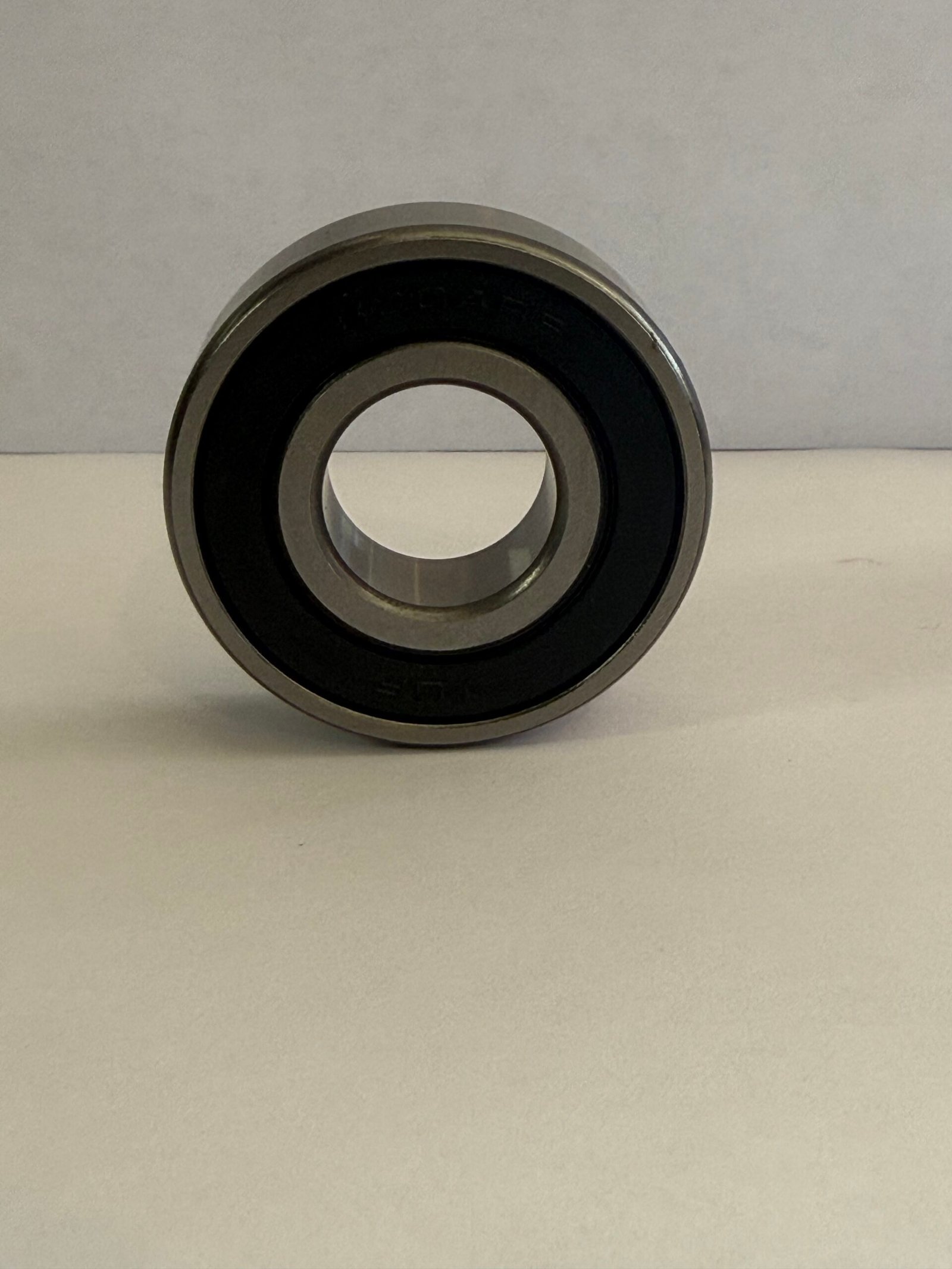
Ceramic Bearings USA: Are They Worth It for RC, Cycling, and Industrial Applications?
Ceramic bearings USA buyers ask about have developed a reputation somewhere between genuine performance upgrade and premium marketing exercise. High-end cyclists swear by them. Tournament anglers consider them standard equipment. RC pilots argue about them on forums. Meanwhile, pragmatic engineers and maintenance buyers often conclude the math never quite justifies the cost. The truth, as usual, depends almost entirely on the specific application — and on understanding what ceramic bearings USA actually are versus what the term implies. RCBearings in Nashua, New Hampshire has been helping customers across Massachusetts, New Hampshire, Lowell, and nationwide make this decision correctly for over 30 years. Ceramic bearings USA are part of that conversation with increasing frequency, so here’s a straight look at what they are, where they genuinely excel, and where standard steel ball bearings remain the smarter choice. What Are Ceramic Bearings USA Buyers Actually Getting? The term “ceramic bearings USA” covers two distinct product categories, and the distinction matters for anyone making a purchasing decision: Full ceramic bearings have both races and balls made from ceramic material — typically silicon nitride (Si₃N₄) for the highest-performance applications, or zirconia oxide (ZrO₂) for more moderate use. These are the most expensive ceramic bearings USA buyers encounter and are used in specialized applications requiring extreme corrosion resistance, electrical insulation, or non-magnetic properties. Hybrid ceramic bearings use standard steel races — typically AISI 52100 or 440C stainless — with ceramic balls made from silicon nitride. This is by far the more common format for ceramic bearings USA hobbyists, cyclists, anglers, and light industrial buyers encounter. The steel races keep costs manageable while the ceramic balls deliver the performance advantages that make ceramic attractive in the right applications. When most pilots, riders, and anglers in the USA talk about ceramic bearings, they mean hybrid ceramic — steel races, Si₃N₄ balls. That’s also what RCBearings in Nashua stocks and supplies to customers across Massachusetts, New Hampshire, and nationwide. What Makes Ceramic Balls Different in Ceramic Bearings USA Silicon nitride ceramic balls have a specific set of material properties that differ meaningfully from hardened steel: Lower density — Si₃N₄ is approximately 60% lighter than bearing steel. Lighter balls generate less centrifugal force at high rotational speeds, reducing the load pushed outward against the outer race and allowing ceramic bearings USA to run faster with less heat generation. Higher hardness — ceramic balls rate approximately 9 on the Mohs hardness scale versus roughly 7–8 for hardened bearing steel. This exceptional surface hardness means ceramic bearings USA balls wear extremely slowly and maintain dimensional accuracy over long service lives. Lower friction coefficient — ceramic is naturally smoother at the microscopic level than steel and requires less lubrication to achieve low-friction rolling contact. In high-speed applications where grease breakdown is a concern, ceramic bearings USA run more cleanly with less thermal buildup. Electrical non-conductivity — ceramic doesn’t conduct electricity, making hybrid ceramic bearings USA the right specification in electric motors and applications where current passing through a bearing causes electrostatic discharge pitting. Corrosion resistance — ceramic balls don’t rust. Paired with 440C stainless steel races, hybrid stainless ceramic bearings USA provide excellent overall corrosion resistance — making them a strong choice for fishing reel and outdoor RC applications in New Hampshire and Massachusetts. Where Ceramic Bearings USA Deliver Genuine Performance Value High-performance road and gravel cycling — at competitive cycling levels where every watt matters, ceramic bearings USA in hubs, bottom brackets, and headsets deliver measurable reduction in rolling resistance under controlled conditions. For serious racers and performance-focused riders across the USA, the premium is often genuinely justified. RC electric motors at high RPM — high-speed electric motors in RC helicopters and fixed-wing aircraft benefit from ceramic bearings USA ability to run at higher RPM with less heat generation. Pilots running demanding flight profiles with extended hover times will often notice smoother, cooler motor performance with hybrid ceramic bearings installed. Tournament fishing reels — ultra-smooth spool release in competitive bass fishing or saltwater tournament applications is where ceramic bearings USA have built a loyal following. The combination of ceramic balls and stainless steel races provides both the smoothness competitors demand and the corrosion resistance saltwater environments require. Electrically sensitive assemblies — any bearing application in the USA where electrical current could pass through the bearing assembly benefits from ceramic’s non-conductive properties. This includes certain servo motors, precision instrumentation, and industrial drives where current leakage through bearings causes early failure. Where Standard Steel Outperforms Ceramic Bearings USA Budget-conscious applications — ceramic bearing sets cost significantly more than comparable quality steel bearings. For general hobbyist RC use, recreational cycling, or standard fishing reel maintenance, the performance difference relative to quality steel bearings is often imperceptible under normal conditions. Ceramic bearings USA are not the right answer for every budget. High-shock-load applications — ceramic, despite exceptional hardness, is more brittle than steel. Applications involving heavy impact loads, shock loading, or extreme vibration that exceeds the ceramic material’s tolerance — such as off-road RC vehicles hitting rough terrain — are better served by steel bearings that absorb impact more gracefully. Cold-weather operation — at very low temperatures, some ceramic materials become more susceptible to fracture under impact. For RC pilots in New Hampshire and Massachusetts flying in freezing conditions, this is a factor worth weighing when deciding on ceramic bearings USA. Applications where quality steel is already performing well — if current quality steel bearings are lasting a full season without issues and performing smoothly, the incremental benefit of ceramic bearings USA at a higher cost may simply not justify the upgrade for that specific application. Hybrid Stainless Ceramic Bearings USA: The Best of Both Worlds? For applications requiring both corrosion resistance and the performance benefits of ceramic, hybrid bearings using 440C stainless steel races with silicon nitride balls offer a compelling combination. These hybrid stainless ceramic bearings USA resist rust from the stainless races, benefit from the smoothness and low wear of the ceramic balls, and run well in the wet, seasonal environments
Stainless Steel Bearings in USA: When, Why, and Which Grade to Choose
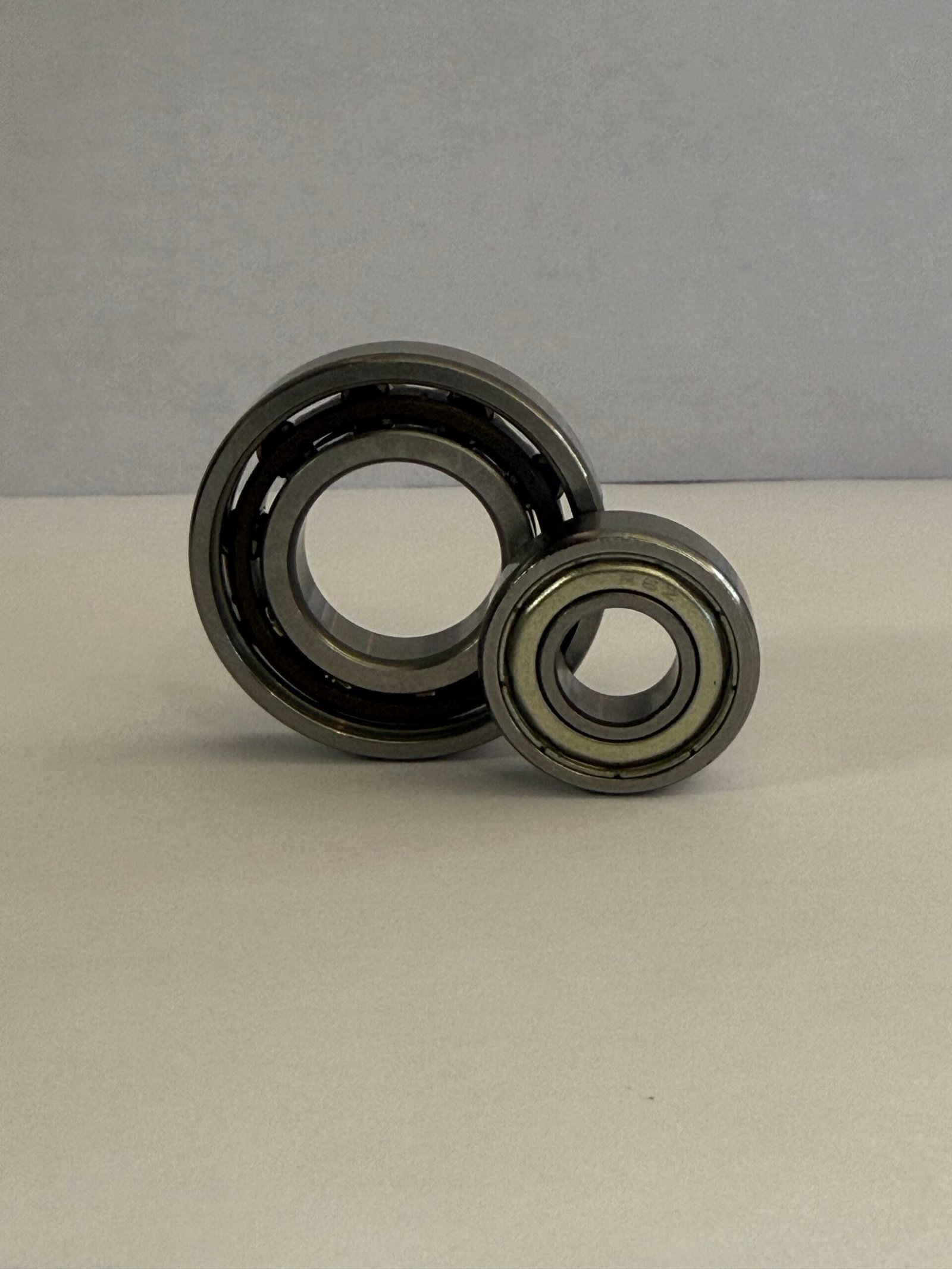
Stainless steel bearings in USA markets are one of the most misunderstood product categories in the bearing industry. They’re specified too broadly by buyers who assume stainless always means better, and underspecified by buyers who skip them entirely in applications where standard steel gets destroyed within a season. Getting this decision right isn’t complicated once you understand what stainless steel bearings in USA actually are, what they do better than standard steel, and — equally important — where standard steel outperforms them. RCBearings in Nashua, New Hampshire has been helping customers make this decision correctly for over 30 years — supplying stainless steel bearings in USA RC, fishing, bicycle, and industrial applications to customers across Massachusetts, New Hampshire, Lowell, and nationwide. Here’s the clear-eyed guide to stainless steel bearings every buyer in USA markets should read before ordering. What Are Stainless Steel Bearings in USA Markets? Stainless steel bearings in USA applications are ball bearings in which the races, balls, or both are manufactured from stainless steel rather than standard carbon bearing steel. The most common grade used for stainless steel bearings in USA markets is 440C stainless — a martensitic stainless steel with sufficient carbon content to be heat-hardened for bearing use. This distinction matters more than most buyers realize. Not all stainless steel can be hardened to bearing specifications. The austenitic grades most people associate with stainless steel — 304 and 316 — are the materials used in kitchen equipment, marine fittings, and food processing hardware. These grades cannot be heat-hardened to the levels required for stainless steel bearings in USA load-bearing applications because their microstructure doesn’t respond to the same hardening processes. 440C stainless, by contrast, can be heat-treated to reach Rockwell hardness levels of approximately 58–62. That’s very close to the 59–64 achievable with properly treated AISI 52100 carbon bearing steel, which gives 440C the wear resistance needed for real bearing duty while also delivering the corrosion resistance that makes stainless steel bearings in USA the right choice for challenging environments. What Makes Stainless Steel Bearings in USA Different in Practice The meaningful practical difference between stainless steel bearings in USA and standard AISI 52100 bearings is corrosion resistance — not hardness, and not wear resistance. In terms of pure wear resistance under load in clean, dry conditions, properly heat-treated AISI 52100 carbon steel is marginally superior. Its maximum achievable surface hardness is slightly higher, and its fatigue resistance in clean environments is excellent. Standard AISI 52100 bearings are not an inferior product — they’re the correct product for many applications. The situation reverses when moisture, salt, humidity, or chemical exposure enters the picture. Standard bearing steel begins to oxidize — rust — when exposed to moisture, and once surface rust forms on a race or ball, it initiates surface fatigue at an accelerated rate. Corrosion starts small and compounds quickly, turning a previously smooth bearing into a rough, failing one far ahead of its expected service life. Stainless steel bearings in USA resist this process through the chromium content (16–18%) in 440C stainless. That chromium forms a passive oxide layer on exposed surfaces that naturally resists moisture and mild chemical attack. In corrosive environments, stainless steel bearings in USA simply last longer — often dramatically so. When to Choose Stainless Steel Bearings in USA for Your Application The environments that clearly call for stainless steel bearings in USA include: Saltwater fishing reels — for anglers along the Massachusetts coast, on New Hampshire’s seacoast, or anywhere in the USA where reels encounter saltwater, stainless steel bearings in USA are the only sensible specification. Salt is among the most aggressive corrosives a bearing will face, and standard steel corrodes very rapidly in sustained saltwater exposure. Outdoor RC helicopters and vehicles — machines stored in garages or outbuildings and exposed to seasonal humidity and temperature cycling benefit significantly from stainless steel bearings in USA tail rotor assemblies and other exposed locations. In New Hampshire and Massachusetts, where winter months bring weeks of high-humidity freeze-thaw cycles, stainless bearings resist the corrosion that accumulates on standard steel bearings during storage. Marine and watercraft applications — any rotating assembly with direct exposure to fresh or salt water should use stainless steel bearings in USA. Year-round bicycle commuting — road cyclists riding through salted winter streets in Massachusetts and New Hampshire are running their hub and bottom bracket bearings through some of the most corrosive conditions possible for standard steel. Stainless steel bearings in USA dramatically extend service intervals in these conditions. Wet industrial environments — applications requiring frequent washdowns, or processing moist materials, are often specified with stainless steel bearings in USA to meet corrosion resistance requirements and reduce maintenance frequency. When Standard Carbon Steel Outperforms Stainless Steel Bearings in USA Standard AISI 52100 bearing steel is the correct choice for a significant number of applications — and choosing stainless unnecessarily adds cost without adding meaningful benefit. Indoor RC applications — helicopters and aircraft flown indoors and stored in climate-controlled environments don’t need stainless steel bearings in USA. Standard steel engine bearing kits perform excellently and offer slightly better wear resistance at a lower cost point. Dry industrial machinery — indoor conveyor systems, motors, dry processing equipment, and similar machinery in controlled environments are well served by standard bearing steel. Performance cycling in dry climates — road cyclists in dry regions who maintain bikes regularly can run standard cartridge bearings with excellent results. Stainless steel bearings in USA are only justified when the environment actually warrants the premium. Stainless Steel Bearings in USA: Seal Options and What to Choose Stainless steel bearings in USA are available in the same seal configurations as standard steel: open (no seal), shielded (ZZ), single rubber sealed (RS), and double rubber sealed (2RS). The same selection logic applies — match the seal type to the contamination level of your specific environment. For saltwater fishing reel applications and outdoor RC in wet climates, double rubber sealed stainless steel bearings in USA provide both the corrosion resistance
Reliable Bearings in USA: What Hobbyists, Engineers, and Builders Need to Know Before They Buy
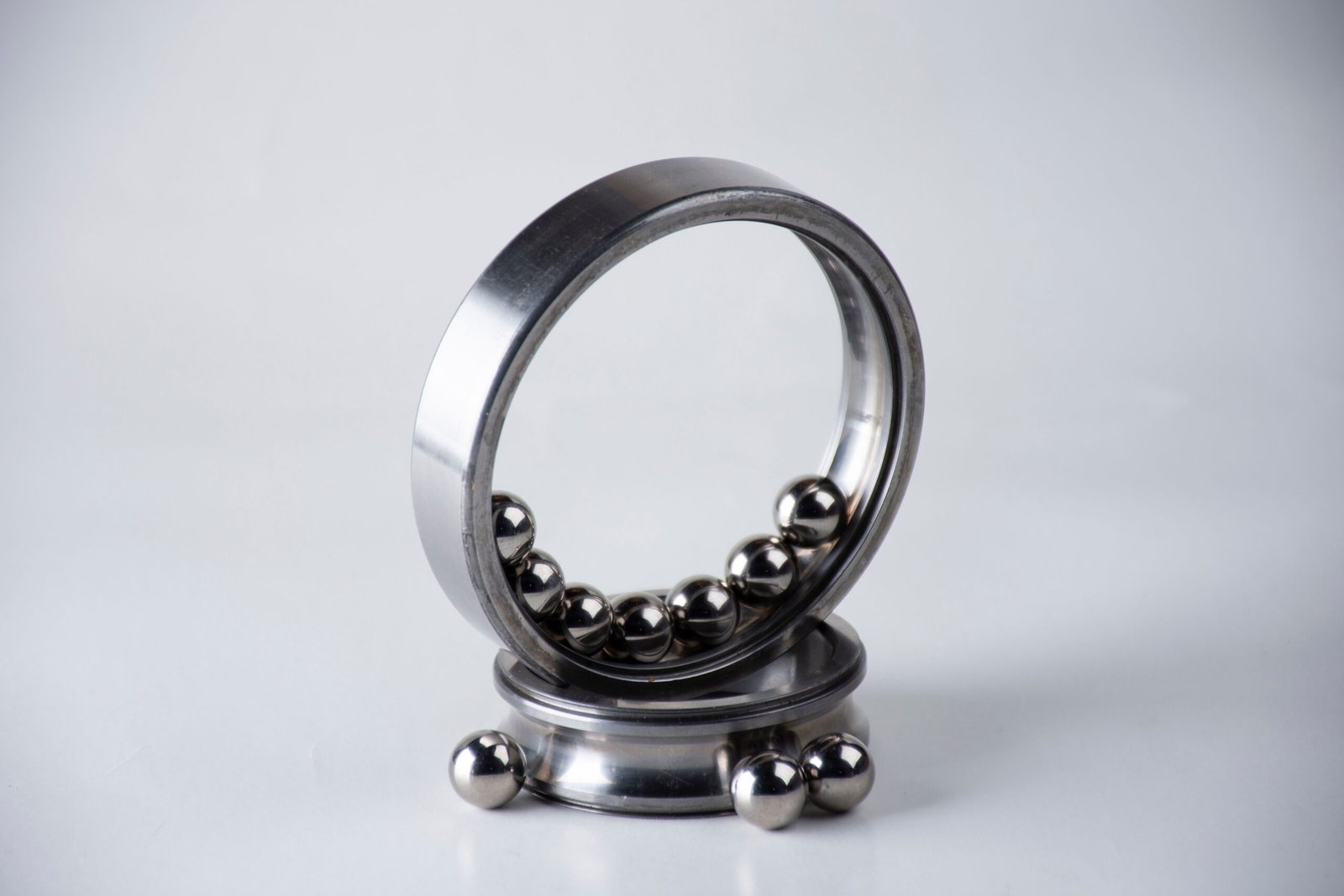
Reliable bearings in USA applications are a concept that sounds simple — but when you start looking at what actually produces that reliability in practice, the picture gets more interesting than most buyers expect. Every supplier in the market claims their bearings are reliable. But when a bearing fails at an inconvenient moment, damages adjacent components, or requires replacement far ahead of schedule, reliability clearly wasn’t delivered — regardless of the marketing claims. RCBearings has been the go-to source for reliable bearings in USA RC, hobby, cycling, fishing, and industrial applications for over 30 years. Located in Nashua, New Hampshire, the company serves customers in Lowell, Massachusetts, throughout New Hampshire, and nationwide. Here’s what reliable bearings in USA applications actually require — from materials to manufacturing to real-world environmental matching. What “Reliable Bearings in USA” Actually Means In engineering terms, bearing reliability is typically defined using the L10 life concept — the number of operating hours at which 10% of a group of identical bearings under identical conditions would be expected to have failed. A bearing rated to an L10 life of 10,000 hours means 90% of that population should still be running at that point. That statistical definition is useful for engineers specifying reliable bearings in USA industrial and mechanical applications. But for most practical buyers — the RC pilot in New Hampshire choosing engine bearings for the season, the bicycle mechanic building wheels, the angler replacing fishing reel bearings before spring opener — reliable bearings in USA means something more direct: the bearing works as expected, every time it’s used, without surprise failures, for as long as it reasonably should. Both definitions point to the same root requirements: the right material, consistent manufacturing quality, and a correct match between bearing specification and the actual demands of the application. Consistency: The Hidden Factor in Reliable Bearings in USA Manufacturing One of the least-discussed but most important factors in reliable bearings in USA markets is batch-to-batch manufacturing consistency. A single bearing that performs well in testing is not the same as a production process that reliably produces bearings that all perform well. Consistent reliable bearings in USA production requires: Controlled steel chemistry — each heat of AISI 52100 bearing steel should meet the same alloy specification, so hardenability doesn’t vary across production runs. Repeatable heat treatment — the hardening and tempering cycle should achieve the same Rockwell hardness target on every bearing produced, not vary by several points depending on furnace loading or cycle timing. Stable grinding and polishing processes — the final geometry and surface finish of races and balls should meet the same tolerance targets across an entire production run, not just on sampled units. When any of these processes vary, some bearings in a batch will perform well and others won’t. Since bearings aren’t tested individually at the user level, those manufacturing variations become field failures. A supplier who can demonstrate quality control discipline is offering something meaningfully different from one who cannot — and that discipline is the foundation of reliable bearings in USA customer relationships that last decades. Application Matching for Reliable Bearings in USA Performance Reliable bearings in USA applications also depend critically on the buyer’s side of the equation — specifically whether the bearing has been correctly matched to its application. A bearing that’s entirely reliable within its designed operating range becomes unreliable almost immediately when asked to operate outside it. Key application-matching factors for reliable bearings in USA include: Load rating — every bearing has dynamic and static load ratings. Selecting reliable bearings in USA with an adequate safety margin above actual operating load is essential. Running a bearing consistently near or above its load rating accelerates fatigue regardless of manufacturing quality. Speed rating — bearings have maximum speed ratings beyond which lubrication breaks down, heat builds, and wear accelerates. High-RPM applications like nitro RC engines and electric helicopter motors require reliable bearings in USA specifically rated for those speed ranges. Temperature range — standard bearing greases perform well within a defined temperature window. Engines, industrial motors, and other heat-generating applications may require reliable bearings in USA lubricated with high-temperature grease or oil for reliable service through full operating temperature. Contamination environment — reliable bearings in USA installed without adequate seal protection in a dusty, wet, or chemically exposed environment will fail far sooner than their rated life, regardless of manufacturing quality. A rubber-sealed bearing in a dirty environment is more reliable than an open bearing made from better steel. Stainless vs. Standard Steel: Which Provides More Reliable Bearings in USA? For buyers in Massachusetts and New Hampshire — and across the USA — the right answer depends on environment, not on price or preference. Standard AISI 52100 bearing steel delivers more reliable bearings in USA dry, controlled environments. Its hardness and fatigue resistance are excellent, and for applications that don’t involve moisture exposure, standard steel typically outlasts stainless at the same quality level because of slightly higher achievable surface hardness. Stainless steel bearings (440C) are more reliable bearings in USA applications involving moisture, corrosive exposure, or seasonal storage in humid conditions — like winter garage storage across New England. In these environments, standard steel bearing reliability drops sharply as corrosion compromises race surfaces, while stainless maintains its integrity through the same exposure period. Understanding your actual operating environment — not just the ideal scenario — is what allows you to select the genuinely more reliable bearings in USA for your specific situation. Why Reliable Bearings in USA Matter Differently Across Applications The consequences of bearing unreliability vary significantly by application, which is worth keeping in mind: RC helicopter engine bearings — unreliable bearings in a helicopter are a safety risk. A bearing failure at altitude can cause a crash, damaging the machine and potentially injuring bystanders. Reliable bearings in USA for RC applications are non-negotiable. Bicycle wheel and drivetrain bearings — bearing failure at speed on a descent or in traffic is a genuine risk to the rider. This is
Durable Bearings in USA: What Actually Makes a Bearing Last — And What Doesn’t
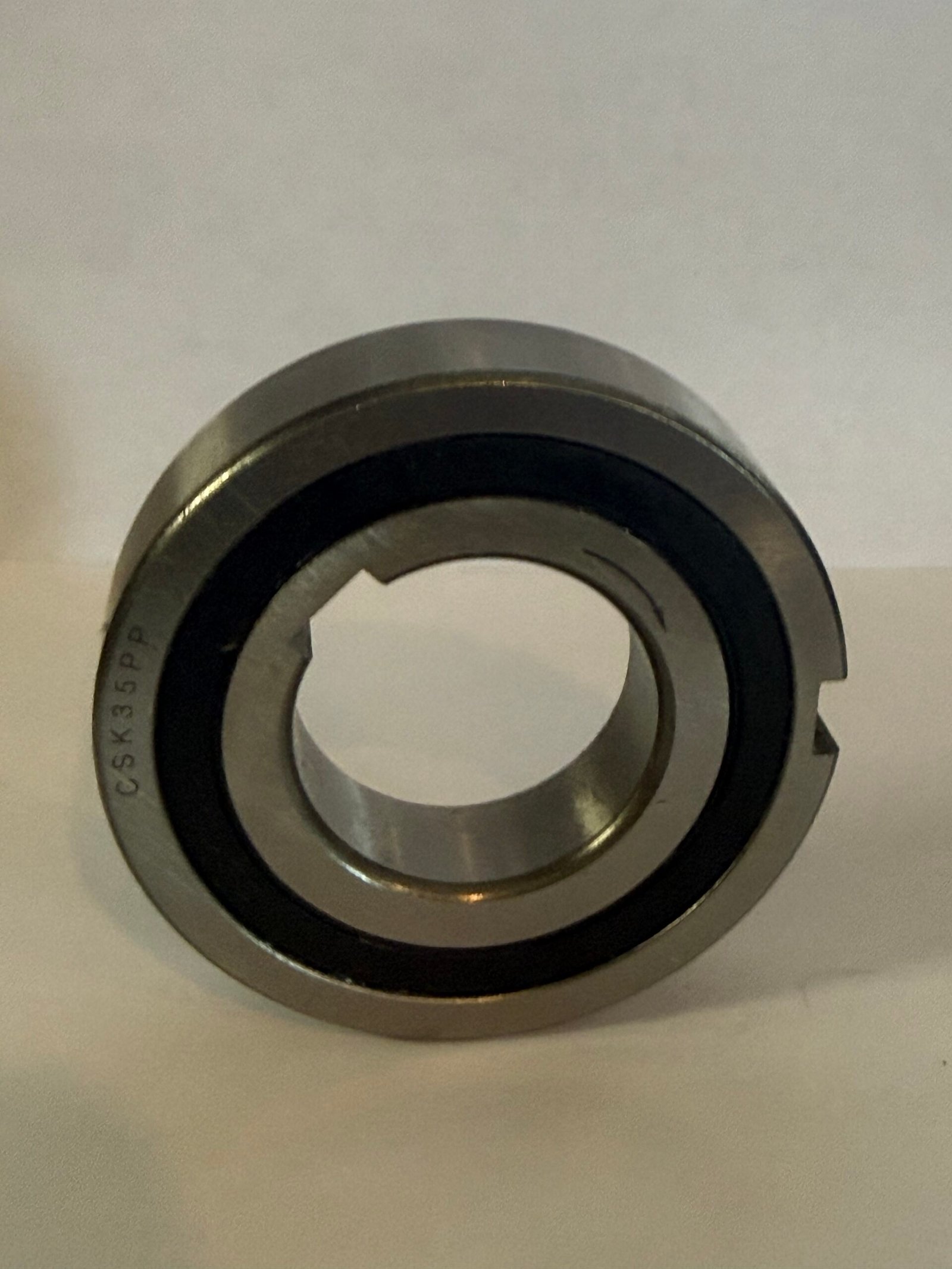
Durable bearings in USA applications are the kind of component every buyer says they want and almost nobody defines with any precision. Every manufacturer and distributor claims durability. Product listings across every category promise long life, robust construction, and reliable performance. But when a bearing fails six months into an application that should have run for years, durability clearly wasn’t delivered — regardless of what the packaging said. So what actually makes a bearing durable? Not the marketing copy, but the physical, mechanical, and metallurgical properties that determine how a bearing behaves under real load, real heat, and real conditions over real time? RCBearings in Nashua, New Hampshire has been answering that question with actual product for over 30 years — supplying durable bearings in USA applications including ball bearings, stainless steel bearings, engine bearing kits, and fishing reel bearings to customers across Massachusetts, New Hampshire, Lowell, and the entire country. Here’s where bearing durability actually comes from. What “Durable Bearings in USA” Actually Means Beyond the Marketing Bearing durability in engineering terms is often quantified as L10 life — the number of operating hours or revolutions at which 10% of a group of identical bearings under identical conditions would be expected to have failed. L10 life calculations factor in load, speed, and bearing geometry to give engineers a reliable basis for maintenance scheduling. For practical buyers of durable bearings in USA hobby, industrial, and sporting applications, the concept is more straightforward: the bearing performs as expected, consistently, without surprise failures, for the duration of its expected service life. That practical durability is the product of specific, measurable factors — starting with the material the bearing is made from. The Steel Foundation of Durable Bearings in USA Applications The material a bearing is made from is the foundation of everything else. Excellent seals, precise tolerances, and careful assembly all contribute to durability — but if the steel isn’t right, the bearing won’t last under real loads regardless of everything else. The industry benchmark for durable bearings in USA and international markets is AISI 52100 bearing steel — an alloy specifically developed for bearing applications, with controlled carbide distribution that allows it to through-harden uniformly during heat treatment. When this steel is properly processed, it reaches a Rockwell hardness of approximately 59–64, giving it the hardness to resist surface fatigue under millions of load cycles while retaining enough toughness to avoid brittle failure under impact. What makes steel grade central to durable bearings in USA performance is consistency. AISI 52100 heat-hardens predictably, meaning a well-controlled manufacturing process produces bearings that hit the target hardness across an entire production run. Lower-grade steels are more variable — which is why two bearings made from cheaper material can measure identically and feel the same on day one but perform completely differently over six months of actual use. Heat Treatment: Why Durable Bearings in USA Depend on This Step Steel hardness doesn’t come from the alloy specification alone — it comes from the heat treatment process that follows. Manufacturing durable bearings in USA facilities involves heating the steel to a precise temperature, quenching it at a controlled rate, and tempering it to relieve brittleness while retaining surface hardness. When this process is done correctly, the result is a bearing race and ball set with deep, uniform hardness throughout the entire cross-section — not just at the surface. When it’s done incorrectly, rushed, or skipped to cut costs, the bearing may have a hard outer layer over a softer, more easily deformed core. It holds up on initial inspection and performs adequately on day one, but cracks or deforms under sustained cyclic loading well before its rated life. This is one of the most invisible differences between truly durable bearings in USA markets and cheap imitations. Without metallurgical testing, you can’t see it in the product. You only see it after months of service — when the durable bearings in USA applications are still running clean and the cheap ones have already been replaced once. How Tolerances Affect Durable Bearings in USA Performance Bearing durability is also a direct function of how well internal geometry was controlled during manufacturing. Tolerances govern the roundness and dimensional accuracy of balls and races — and surface finish governs how smooth those surfaces are at the microscopic level. Both factors matter for durable bearings in USA because contact stress between a ball and its race is extremely sensitive to surface geometry. A perfectly round, smooth ball rolling on a perfectly round, smooth race distributes contact stress evenly across the contact zone. Any deviation — an out-of-round ball, a rough spot on a race, or a tolerance stack-up that creates uneven preload — concentrates stress at a specific point. Concentrated stress leads to micro-fatigue, which leads to surface pitting, which leads to failure. This is why buyers of truly durable bearings in USA markets often pay a modest premium over the cheapest available option — and find that premium pays back many times over in extended service life. The premium buys consistent manufacturing process control, not just a nicer box. Seal Selection for Durable Bearings in USA Environments Even a bearing made from perfect steel, heat-treated correctly, and held to tight tolerances fails early if contamination reaches the internal surfaces. Grit, dust, moisture, and chemical residue all destroy race surfaces far faster than normal load cycling — which is why seal selection is a durability decision as much as any material choice. For durable bearings in USA outdoor and industrial environments: Rubber lip seals (2RS) provide the best contamination protection with a soft contact seal against the inner race. They add minimal drag and are the correct choice for most outdoor, wet-environment, and moderate-speed industrial applications across Massachusetts and New Hampshire. Metal shields (ZZ) reduce drag and handle heat more effectively, making them suitable for high-speed, clean-environment applications where contamination protection is less critical. Open bearings are appropriate only for clean, lubrication-controlled environments. In any other context, open durable bearings
Bearings Supplier in USA: How to Choose the Right One — And What Most Buyers Get Wrong
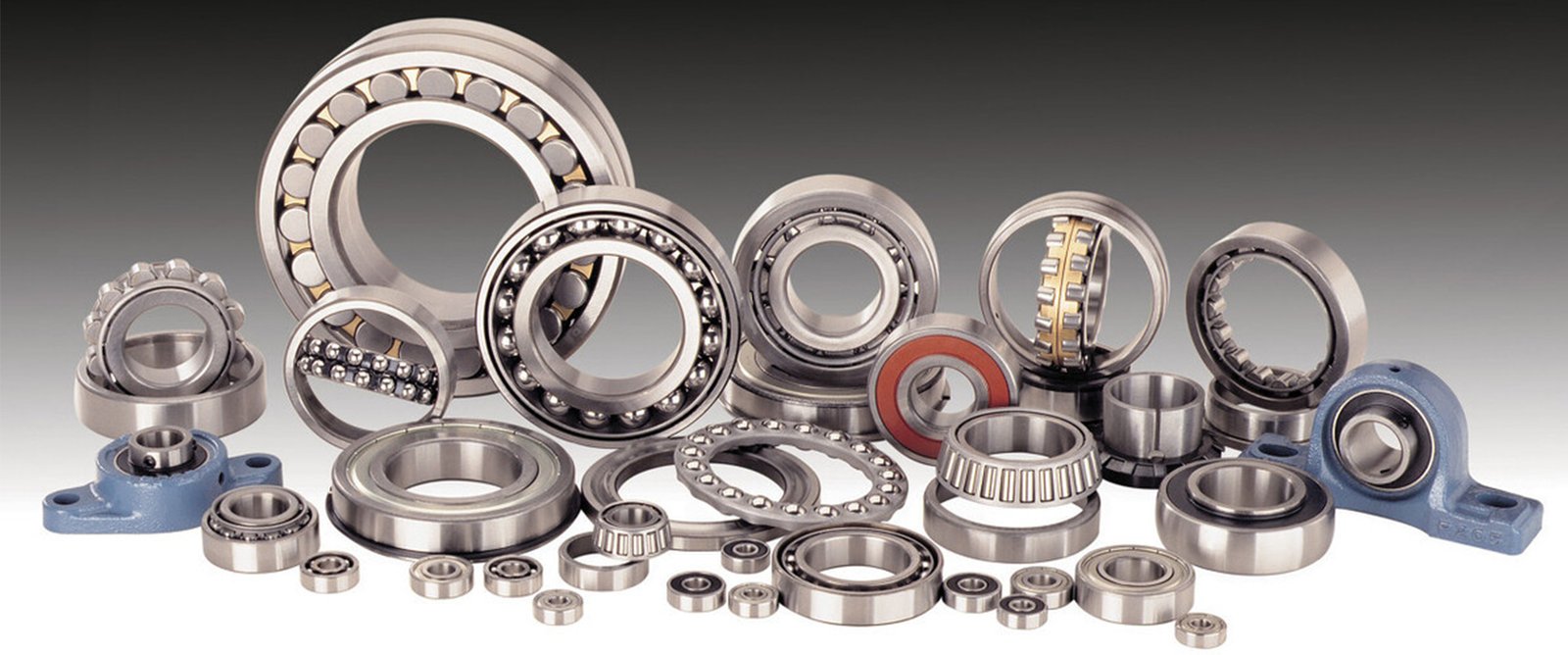
Choosing the right bearings supplier in USA markets should be straightforward. Type a part number, compare prices, place the order. And for a large proportion of buyers, that’s exactly what happens — until it doesn’t. Until the bearing arrives and doesn’t fit cleanly into the housing. Until the replacement lasts a fraction as long as the original. Until you call the supplier and nobody can explain why. Selecting a dependable bearings supplier in USA is not just a procurement decision — it’s a quality decision that shows up in how long your equipment runs, how well it performs, and how much unplanned downtime you absorb over time. RCBearings has operated from Nashua, New Hampshire for over 30 years, supplying ball bearings, engine bearings, stainless steel bearings, and specialty kits to customers across Massachusetts, New Hampshire, Lowell, and all 50 states. Here’s what separates a reliable bearings supplier in USA from one that will quietly cost you more than you save. Why Not Every Bearings Supplier in USA Is the Same “Bearings are bearings” is the most expensive assumption a buyer can make. It’s true the way “all cars have engines” is true — technically accurate, but with consequences that vary enormously. Two bearings with identical dimension stamps on the outer race can be manufactured from different steel grades, heat-treated to different hardness levels, held to different tolerance classes, and assembled with seals of wildly different quality. On day one they look and feel identical. After three months of real use, they can perform completely differently — one still running clean, the other grinding and failing. A trustworthy bearings supplier in USA will be able to tell you, specifically, what steel grade their bearings use, what heat treatment process was applied, and what tolerance class the product is built to. If a bearings supplier in USA gives vague answers — “high quality steel” without specifics, or “industry standard tolerances” with no reference to ABEC class — that tells you something important about what you’re actually buying. What to Ask Any Bearings Supplier in USA About Steel and Quality The first technical question to ask any bearings supplier in USA is simple: what steel grade are these bearings made from? The correct answer for quality ball bearings and roller bearings is AISI 52100 bearing steel — also known internationally as GCR-15 or 100Cr6. This alloy is specifically engineered for bearing applications, with controlled carbide distribution that allows consistent through-hardening to a Rockwell hardness of approximately 59–64. That hardness is what gives races and balls the resistance to micro-fatigue needed under millions of load cycles. For applications requiring corrosion resistance — fishing reels, outdoor RC equipment, marine machinery, wet industrial environments throughout Massachusetts and New Hampshire — the right answer is 440C stainless steel bearings. A quality bearings supplier in USA stocks both grades and helps you select the right one for your environment. A supplier who only stocks one grade without asking about your application is worth noting. Tolerance Class: What the Best Bearings Supplier in USA Will Tell You Bearing tolerances — organized in the USA under the ABEC (Annular Bearing Engineers’ Committee) scale — govern how closely actual manufactured dimensions match rated specifications. ABEC-1 is standard commercial tolerance; ABEC-3, 5, and 7 represent progressively tighter precision for demanding applications. What distinguishes a genuine bearings supplier in USA from a catalog reseller is understanding which tolerance class your application actually needs — and being honest about it. Most hobby, cycling, fishing, and general industrial applications are well served by quality ABEC-1 or ABEC-3 bearings. The mistake is either selling unnecessarily expensive ABEC-7 to customers who don’t need it, or selling poorly controlled ABEC-1 to customers who should have ABEC-3. More important than the rated class is manufacturing consistency within it. A reputable bearings supplier in USA sources product from manufacturers who hold their tolerances reliably across an entire production run — so every bearing in a batch meets specification, not just the ones that get sampled. Inconsistent production is exactly why two bearings from the same catalog entry can perform differently in the field. Product Knowledge: The Most Undervalued Quality in a Bearings Supplier in USA There’s a version of sourcing bearings in USA markets where you upload a spreadsheet of part numbers, a distributor confirms availability, and boxes arrive at the dock. That works when you already know precisely what you need. But a significant proportion of real-world bearing purchases — especially in RC, hobby, cycling, fishing, and light industrial applications — involve some variation of “I have a worn bearing, here’s what it looks like, what do I replace it with?” For these situations, the product knowledge of your bearings supplier in USA matters enormously. A specialist bearings supplier in USA who understands why an OS engine bearing runs hot and what seal type handles that best, who can cross-reference a Shimano spinning reel bearing from the model number alone, who knows which heli bearing kits fit Align versus Goblin platforms — that kind of application knowledge saves time, prevents wrong orders, and gives buyers confidence in what they’re getting. Customers across Nashua, Lowell, and throughout New Hampshire and Massachusetts regularly rely on this product depth when off-the-shelf catalog descriptions aren’t enough. Shipping Speed: Why a Domestic Bearings Supplier in USA Wins on Lead Time The math on overseas bearings can look attractive until you factor in lead time. A bearing that costs slightly less from a foreign supplier but takes three to five weeks to arrive is a very poor deal when your equipment is down, your fishing season is open, or your RC helicopter is grounded during flying season. A domestic bearings supplier in USA — particularly a specialist like RCBearings in Nashua, New Hampshire — ships same-day or next-day to customers across Massachusetts, New Hampshire, Lowell, and all 50 states. For time-sensitive applications, that domestic speed from a bearings supplier in USA is worth considerably more than per-unit savings that evaporate the moment equipment downtime