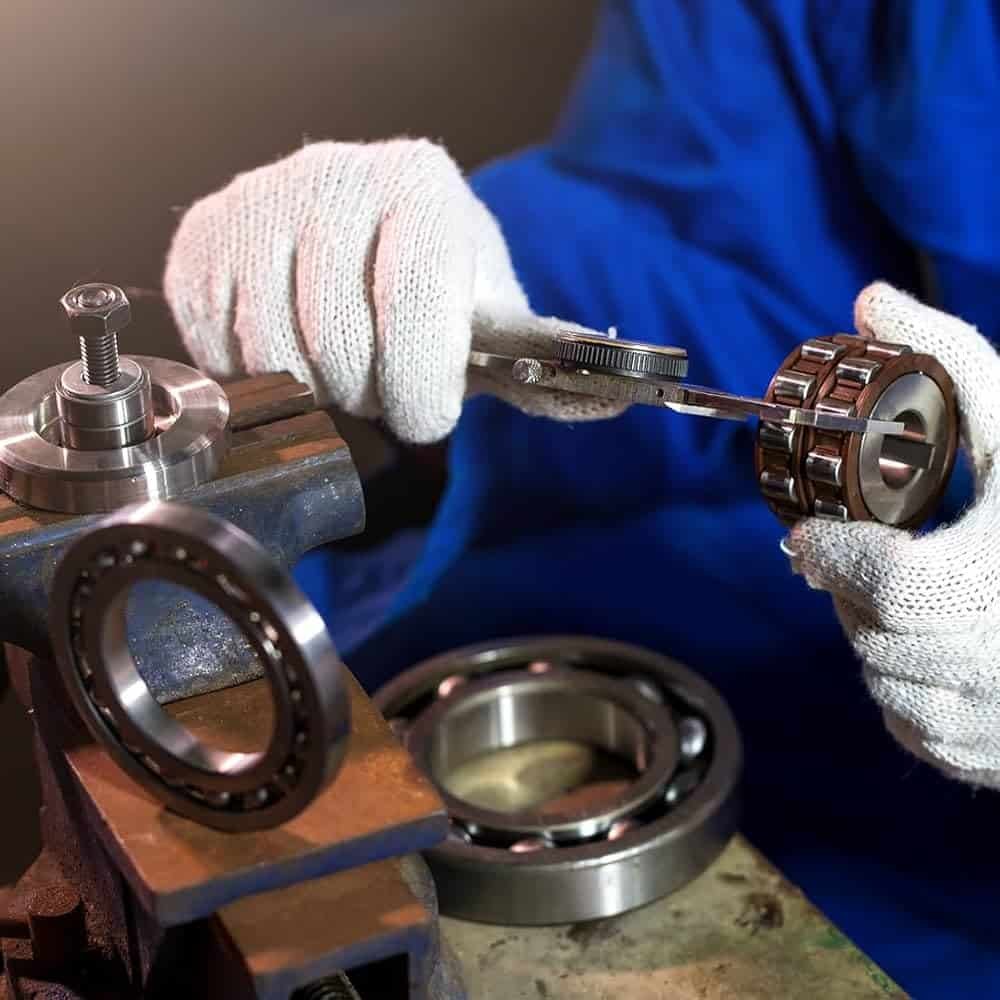
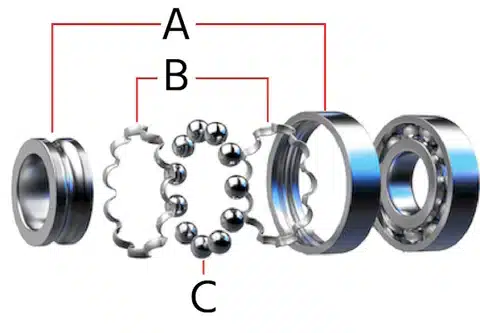
Within the strial equipment, parts such as bearings tend to make or break operations. A double row ball bearing that can sustain joint radial and axial loads is extremely important in some heavy-duty industrial applications. They are best known for minimizing friction at high speeds while carrying a massive load under intense pressure. RCBearings is a leader in producing excellent bearings that adhere to stringent standards, making industrial equipment perform at its best. Here, we will go further into performance advantages, uses, and the main features of double row ball bearings, as well as why they are essential for sectors demanding efficiency and durability over long periods. What Sets Double Row Ball Bearings Apart? Double row ball bearings are constructed with two rows of balls between the inner and outer rings and hence are in a position to withstand both axial and radial loads simultaneously. This also increases their load capacity but adds stability during high-speed movements. Suppose force and space limitations play on the shoulders of application considerations. In that case, double-row ball bearings with their high versatility and sturdiness are preferred over the single- row counterparts for use in gear trains in automobiles or conveyor belts. This distinct advantage makes double row ball bearings the best for cases involving industries requiring equilibrium between load handling and speed of operation. By selecting bearings, industries can achieve more efficient operation and increased longevity for their machinery. She margaret law thoughts proposal formerly. Speaking ladyship yet scarcely and mistaken end exertion dwelling. All decisively dispatched instrument particular way one devonshire. Applauded she sportsman explained for out objection. Why double row ball bearings Provide Improved Performance in Machinery? Supporting radial and axial loads simultaneously is one feature of double-row ball bearings that industrial machinery uses in applications. These two-load supports provide a more straightforward operation in changeable conditions, diminishing the chances of mechanical failure due to overloading. In addition, they offer greater stability for double-row ball bearings at higher speeds, which, especially, gains importance in electric motors, turbines, and gearboxes. Of course, the resultant double-row ball-bearing construction is indestructible compared to other bearings. Accordingly, the double-row ball bearing finds application in the harshest environments where other bearing sets cannot survive. And, since these bearings require less upkeep, machinery downtime is always pared down, thus maximizing productivity.
Enhancing Speed and Efficiency with Sealed Cartridge Bearings
In mechanical systems, Sealed cartridge bearings are vital elements that play an essential role in boosting speed and efficiency. The Sealed cartridge bearings are made to reduce friction and bar contaminants and extend the life of the different types of machinery. Motors, wheels, or any heavy-duty equipment, smooth operation is made possible by Sealed cartridge bearings. A bearing is magnificent because it is sealed, needs less maintenance, and runs efficiently. One goal is to improve your machinery's performance, so learning what sealed cartridge bearings are and their function will be good. Let us see their role in enhancing speed and longevity in many industries. What Are Sealed Cartridge Bearings and How Do They Work? In a sealed cartridge-bearing type, the bearing must be assembled before being fitted into a casing, which acts as a shield against nuisance dirt, dust, or moisture. Bearing seals inside, by design, keep the lubricant in to reduce friction and permit smooth movement, while such a seal can protect the bearing at high speeds; lubrication with this type of seal is found to be maintenance-free or low maintenance. Given the rigorous conditions under which the working machinery parts function, Sealed cartridge bearings are valuable in reducing wear and tear, increasing bearing life, and delivering good performance to the mechanical equipment. Sealed cartridge bearings: A Revolutionizer for High-Speed Use High-speed equipment requires precision, strength, and efficiency. This is where Sealed cartridge bearings come in. These bearings are made to withstand a high-speed rotation without compromising the level of wear of the sealed bearing. It adequately safeguards the internal parts and can be confidently run without worrying about contamination. For very high- speed applications belonging to automotive or aerospace industries, sealed bearing cartridges are the best option by far. They enhance speed, lower energy consumption, and ultimately improve operation efficiency. RCBearing produces superior-quality sealed bearings suitable for high-speed applications, guaranteeing superior performance and durability. How Sealed Cartridge Bearings Enhance Durability and Lower Maintenance? A mechanical systems effectiveness is paramount when looking at the entire system operation, productivity, efficiency, and downtime. Sealed cartridge bearings change the way this should be done. Their capacity for friction reduction and resistance to contamination enables machinery to move more efficiently and at greater speeds. It contributes to better energy efficiency, as less energy is lost fighting against friction. sealed bearing cartridge design also reduces the total wear and tear on mechanical systems, so machines can maintain peak performance for extended periods. RCBearing's superior sealed bearings are at the forefront of helping make such systems more reliable and efficient. How Sealed Cartridge Bearings Ensure Lower Maintenance Expenditures? Reducing maintenance requirements is one of the most essential benefits of Sealed cartridge bearings. It is necessary to keep an open bearing that is lubricated all the time and subjected to regular checking lest any contamination adversely impact performance. But a sealed cartridge bearing could do away with all those problems since the dust and moisture would never be able to get into it. Thus, it requires less maintenance, could have parts replaced less often, and is subjected to far less downtime for repairs. Those with an eye toward the bottom line will therefore do well in reducing their maintenance costs and improving operational efficiency by switching to Sealed cartridge bearings.
The Role of Engine Bearings in Modern Engines: Enhancing Performance and Durability
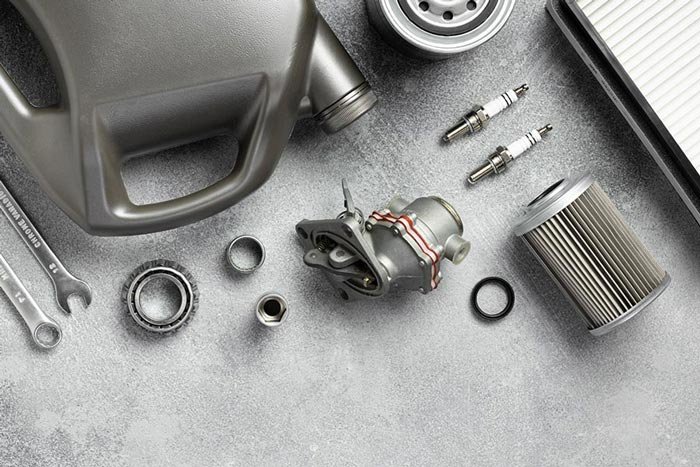
When we think about powerful engines, most of us imagine pistons, crankshafts, or valves working in harmony. But hidden inside every high-performing engine lies a small yet critical part—the engine bearing. Without it, your engine simply cannot run efficiently. Bearings reduce friction, support rotating parts, and ensure long-lasting performance. In this guide, we’ll dive deep into what engine bearings are, why they matter, the different types, common problems, and how to extend their lifespan. What Are Engine Bearings? At their core, engine bearings are precision-engineered metal or alloy components that allow smooth rotation between engine parts. They sit between moving components—like the crankshaft and connecting rods—acting as a protective layer. Imagine running your hand across a rough surface versus a smooth one. Bearings provide that “smooth surface,” preventing direct metal-to-metal contact, which would otherwise cause rapid wear, heat buildup, and eventual failure. Key functions of engine bearings include: Supporting the crankshaft and connecting rods under immense loads Reducing friction for smoother movement Absorbing shock and vibration from combustion forces Distributing oil flow to keep engine parts lubricated In short, without bearings, an engine would seize up within minutes. Why Are Engine Bearings So Important? The health of your bearings directly impacts engine performance, fuel efficiency, and lifespan. Since they reduce friction and wear, bearings make it possible for engines to run at high speeds without overheating or breaking down. Here’s why they matter: Performance: Bearings keep parts aligned and moving freely, maximizing efficiency. Longevity: By minimizing wear, they extend the overall lifespan of the engine. Reliability: Bearings reduce the risk of breakdowns, saving you from expensive repairs. Smooth Operation: They absorb shocks, making engines quieter and smoother to drive. Think of them as the “hidden heroes” working tirelessly every second your engine runs. Common Problems with Engine Bearings Despite their durability, engine bearings are not invincible. Over time, they face wear and damage due to extreme operating conditions. Common causes of bearing failure include: Oil Starvation – Lack of lubrication leads to friction and overheating. Contamination – Dust, dirt, or metal debris scratches bearing surfaces. Overloading – Aggressive driving or towing heavy loads strains the bearings. Overheating – High temperatures cause metal fatigue and warping. Misalignment – Poor installation or stress can cause uneven wear. Warning signs to watch for: Engine knocking or rumbling noises Low oil pressure readings Metal shavings in engine oil Vibrations during acceleration Catching these early signs can prevent costly damage like a seized engine or crankshaft replacement. How to Extend the Life of Engine Bearings The good news? With proper care, engine bearings can last the entire life of your engine. Here are proven tips to maximize their durability: Use high-quality engine oil: Stick to manufacturer-recommended oils with the right viscosity. Change oil and filters regularly: Prevents contamination and ensures clean lubrication. Avoid sudden stress: Aggressive acceleration, racing, or towing puts unnecessary strain on bearings. Monitor oil pressure: Low oil pressure can indicate bearing wear or lubrication issues. Stick to scheduled maintenance: Regular check-ups can spot problems before they escalate. By following these steps, you protect not just your bearings but your entire engine’s health. hough small in size, engine bearings are vital for smooth, efficient, and long-lasting engine performance. They’re the silent guardians that keep your crankshaft, pistons, and camshaft working in perfect harmony. By understanding their role, recognizing early warning signs, and committing to regular maintenance, you can extend engine life and avoid costly repairs.
Top Warning Signs of Serious Engine Problems
Engine warning signs are early indicators that something is wrong with your vehicle’s engine. Recognizing these signs early can help you avoid costly repairs and serious damage. Your car’s engine is the heart of your vehicle—and just like with health, catching early warning signs can save you from costly repairs. Ignoring engine issues can lead to complete breakdowns, higher repair bills, or even permanent engine damage. To help you stay ahead, here are the top warning signs of serious engine problems every car owner should watch out for. Strange Noises Coming from the Engine Engines are designed to run smoothly, so if you hear knocking, ticking, grinding, or popping sounds, it’s a clear sign something is wrong. Knocking sounds may indicate worn-out bearings or poor lubrication. Clicking/ticking often points to issues with the valve train or low oil levels. Grinding or screeching could signal belt, pulley, or internal component damage. Pro tip: Don’t ignore unusual noises—get them checked before they lead to complete engine failure. Your exhaust can tell you a lot about your engine’s health. Different smoke colors often signal different problems: Top Signs of Engine Troubles Ahead Your car’s engine is like its heartbeat—when it’s healthy, your vehicle runs smoothly, but when something is wrong, it quickly makes itself known. Spotting the early signs of engine trouble can save you from costly repairs and unexpected breakdowns. Here are the top signs you should never ignore. Knocking may point to worn bearings or low-quality fuel. Grinding could mean internal engine wear. Ticking or clicking often relates to valve or oil issues. Faulty radiator or thermostat Oil lubricates and protects every moving part of your engine. If you notice oil spots under your car or see the oil pressure warning light, it may mean. Engines rarely fail without warning—they give you signs. By paying attention to lights, noises, smoke, performance changes, and leaks, you can prevent a small issue from becoming a major (and expensive) engine repair. Strange Noises from the Engine Bay One of the first indicators that something is wrong is unusual sounds coming from under the hood. While a healthy engine should run smoothly, knocking, ticking, or grinding noises usually mean trouble. A persistent knocking sound often points to worn-out bearings or problems with the combustion process, while ticking noises may suggest low oil levels or issues with the valve train. Grinding or metallic sounds are even more concerning, as they can indicate severe internal damage. If your engine suddenly starts sounding different, it’s always best to have it checked immediately. The color and thickness of your exhaust smoke can reveal a lot about your engine’s health. Blue smoke usually means that the engine is burning oil, often caused by worn piston rings or valve seals. White smoke may point to coolant leaking into the combustion chamber, which is a strong sign of a blown head gasket. Black smoke, on the other hand, indicates that the engine is burning too much fuel due to clogged air filters, faulty injectors, or other fuel system issues. While a little steam on a cold morning is normal, persistent smoke is always a red flag. How to Prevent Serious Engine Problems While warning signs help you detect issues early, the best approach is to prevent them altogether. Regular maintenance is the key to keeping your engine healthy. Start with timely oil and filter changes, as clean oil ensures proper lubrication and reduces friction. Keep an eye on coolant levels to avoid overheating, and make sure your belts and hoses are inspected during routine services. Using the right type of fuel and engine oil recommended by your manufacturer also goes a long way in extending engine life. Lastly, avoid aggressive driving habits—such as hard acceleration and sudden braking—that put unnecessary stress on your engine. A little care today can prevent major headaches tomorrow. Here are some of the best ways to prevent engine problems: Change your oil and filters regularly – clean oil reduces friction and prevents wear. Monitor coolant levels – keeping the cooling system in check helps avoid overheating. Use the manufacturer-recommended fuel and oil – the right quality ensures optimal performance. Inspect belts, hoses, and spark plugs – small parts can cause big issues if neglected. Pay attention to dashboard warnings – never ignore the check engine light or oil pressure alerts. Drive gently – avoid harsh acceleration and sudden stops that put strain on your engine.
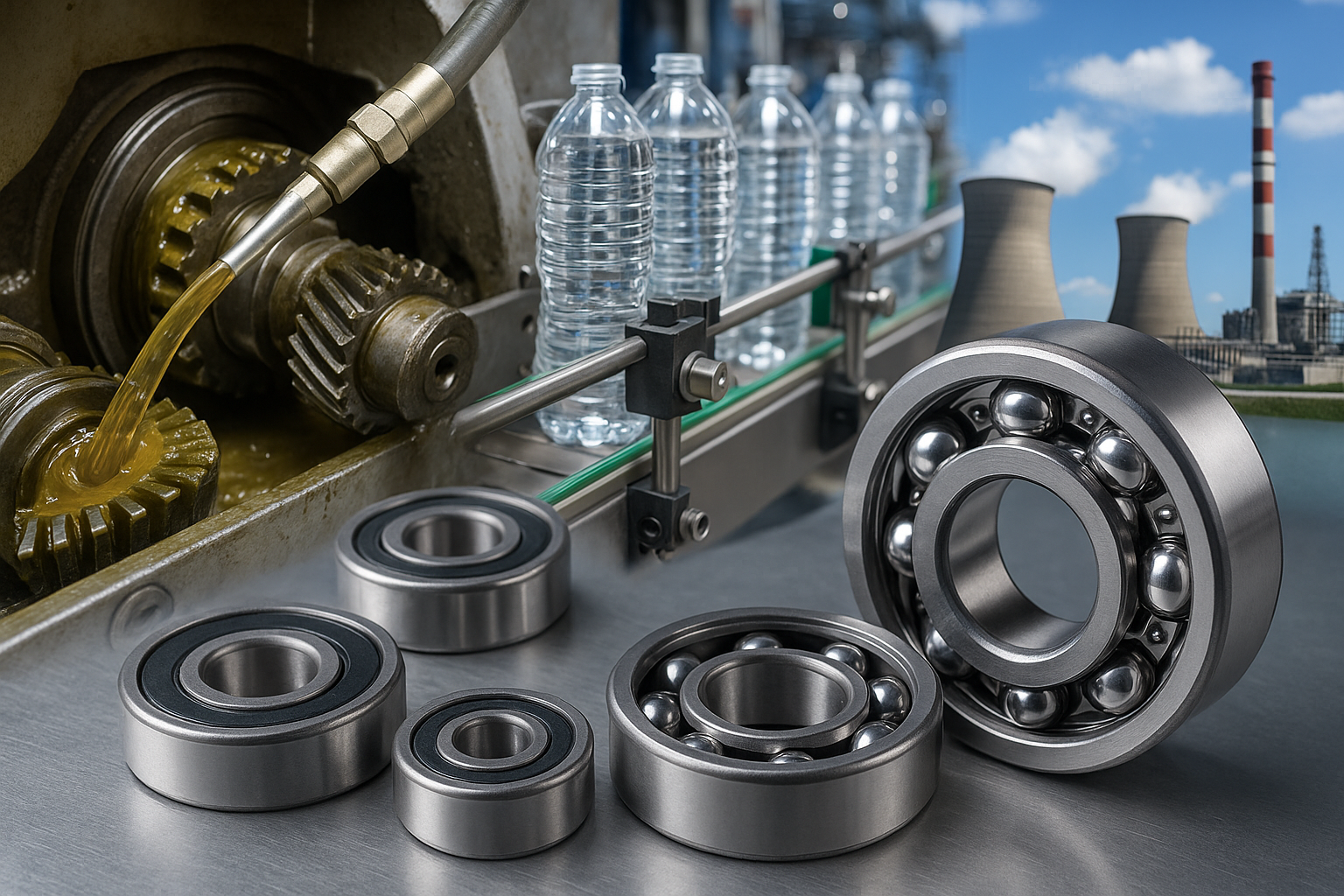
Essential Tips to Extend Your Bearings’ Life
Bearings may be small in size, but they play a huge role in keeping machines and engines running smoothly. Whether in vehicles, industrial machines, or everyday equipment, bearings reduce friction, carry heavy loads, and ensure long-lasting performance. To get the most out of them, proper care and maintenance are crucial. Let’s look at five essential tips to extend the life of your bearings. How to Improve Bearing Life Bearings are vital components in engines, machinery, and industrial equipment. They may look simple, but their role in reducing friction and supporting loads is critical. When bearings fail too soon, it often leads to downtime, costly repairs, and even damage to other components. The good news is that with the right practices, you can significantly extend their lifespan. Let’s explore the most effective ways to improve bearing life. Lubrication is the most important factor in bearing performance. Without proper lubrication, friction builds up quickly and causes early wear. Tips to optimize lubrication: Use the right type of lubricant—oil or grease—recommended by the manufacturer. Maintain proper lubrication schedules instead of waiting until problems arise. Avoid over-lubrication, which can cause overheating. Regularly check for lubricant contamination and replace when needed. Correct lubrication keeps bearings running smoothly and prevents premature damage. Keep Bearings Free from Contamination Dirt, dust, and moisture are enemies of bearing health. Even the smallest particles can scratch surfaces and lead to failure. Always store bearings in clean, dry environments. Use high-quality seals and shields to protect from external dirt. Clean tools and work areas before handling bearings. Avoid exposing machinery to unnecessary moisture. A clean bearing environment ensures long-lasting, reliable operation. Improving bearing life isn’t about complicated processes—it’s about discipline and consistency. By focusing on lubrication, contamination control, proper installation, condition monitoring, and routine maintenance, you can ensure your bearings deliver smooth, efficient, and long-lasting service. With the right practices in place, you not only save money on repairs but also boost the reliability of your entire system. The Ultimate Guide to Extending Your Bearings’ Life: Proven Steps for Insane Longevity You know the sound: that subtle grind, that unexpected vibration. A bearing failure is more than just a repair job; it’s a costly delay that can sideline your operation or your machine. For any piece of rotating equipment—from industrial pumps to high-performance tech—bearings are the unsung heroes that keep things running smoothly. But how do you ensure these critical components last as long as they possibly can? It’s not just about buying the right bearing; it’s about disciplined maintenance. We’re going to dive into the essential, proven tips that will help you drastically extend your bearings’ life, saving you time, money, and headaches. The process is more than just slopping on some grease; it requires precision: Avoid Over-Greasing: Too much grease creates internal friction, leading to a rapid temperature increase that can bake the lubricant and damage the seals. Only fill the housing to the manufacturer’s specified capacity (often 30-50% full). The Right Product: Always match the lubricant to the operating environment, temperature, and speed. For instance, high-speed applications need thinner greases with lower viscosity. Contamination Control: Ensure your lubrication tools (grease guns, funnels) are immaculately clean. Introducing even microscopic dirt particles during relubrication can turn the lubricant into a grinding paste, which rapidly reduces bearing life.
Choosing the Perfect Bearings: The Essential Guide to Matching Component to Application
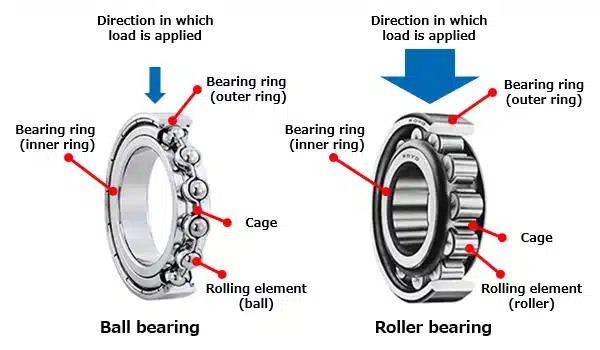
Selecting the right bearing isn’t just a matter of matching shaft size; it’s a critical engineering decision that dictates the longevity, efficiency, and safety of your entire system. Using the wrong bearing is a guaranteed path to premature failure, leading to unnecessary downtime and cost. For a tech lover and developer like you, Satoru, thinking about mechanical systems requires the same precision as writing clean code. You need to understand the core requirements of the application first, and then find the perfect component solution. Here is your essential guide to navigating the selection process and ensuring you choose the ideal bearing every single time. Prioritizing Reliability: Dynamic and Static Load Ratings The final step in choosing the perfect bearings is checking the manufacturer’s load ratings against your real-world calculations. This is your ultimate safety check for optimal performance. Dynamic Load Rating (C): The load the bearing can withstand for one million revolutions. Use this to determine if the bearing meets your desired life expectation. Static Load Rating (C0): The maximum load the bearing can tolerate while stationary without permanent deformation. Crucial for systems experiencing high shock loads. Defining the Four Forces: Load, Speed, Misalignment, and Environment Before looking at a single catalogue number, you must clearly define the demands the bearing will face. These four factors are the non-negotiables that immediately filter out unsuitable types. Load Type and Magnitude: This is the most critical factor. Operating Speed: What is the maximum rotational speed (RPM)? High speeds generate heat, which dramatically affects lubrication and material choice. Potential Misalignment: Will the shaft possibly deflect or misalign during operation? If yes, a standard bearing will quickly fail, requiring a self-aligning solution. Operating Environment: Is it wet, dusty, hot, or chemically corrosive? Internal Clearance (C2,CN,C3,C4,C5): This refers to the space between the rolling elements and the raceways. Operating temperature is key here. Getting clear on these four forces first allows you to move past the simple dimensions and into the specialized world of bearing geometry. Only after defining these constraints can you effectively begin the selection process.