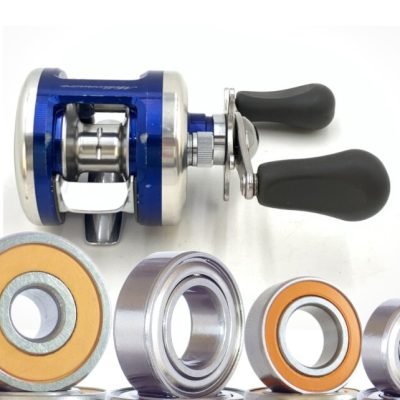
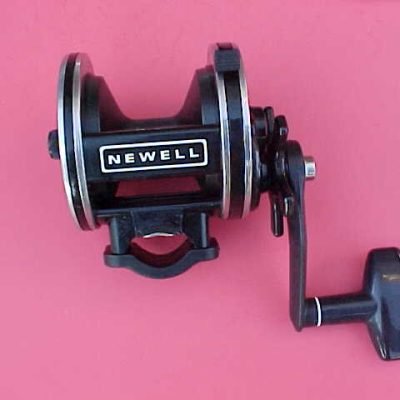
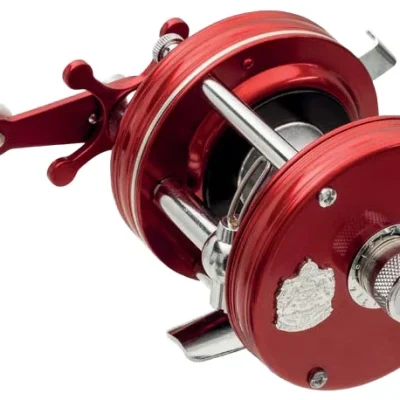
Ask ten anglers what fishing reel bearings actually do and you’ll get ten different half-right answers. Most people know “more bearings is better” as a rule of thumb, but that’s only part of the story — where the bearings are located and how well they’re made matters just as much as how many the reel has.
What Do Bearings Do in a Fishing Reel?
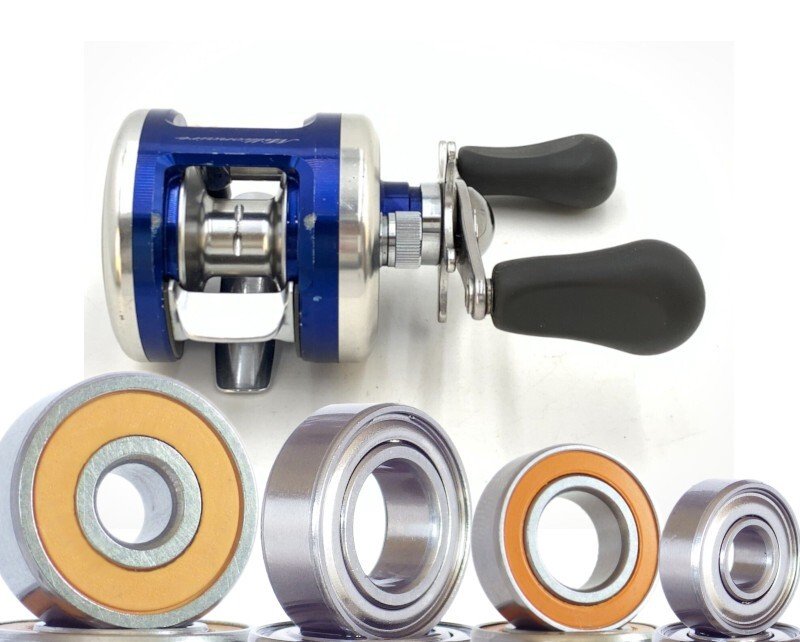
Every moving part inside a reel that spins — the spool, the handle shaft, the line roller — needs something to reduce friction between the moving metal and the reel frame. That’s the job of the bearing. A ball bearing reel uses precision steel or ceramic balls inside a race to let those parts spin freely with minimal resistance, instead of grinding metal directly against metal (or relying on a plain bushing, which has noticeably more friction).
More specifically:
- Spool bearings control how freely the spool spins during a cast — this is the single biggest factor in casting distance.
- Handle/shaft bearings affect how smooth retrieval feels and how much resistance you feel cranking under load.
- Line roller bearings reduce line twist by letting the roller spin freely as line passes over it.
Spool Bearings and Baitcaster Performance
On a baitcasting reel specifically, spool bearings do more work than almost any other component in the reel. Baitcaster bearings need to let the spool spin at very high RPM the instant the cast starts, then slow down smoothly without binding — that’s what prevents backlash. Cheap or worn bearings can’t keep up with that speed change cleanly, which is why baitcasters with fresh, high-quality spool high speed bearings cast noticeably farther and smoother than the same reel with worn ones.
Does Bearing Count Actually Matter?
It matters less than reel marketing suggests. A reel with 10 low-quality bearings can perform worse than a reel with 4 precision bearings placed in the right spots. What actually determines performance is:
- Bearing quality — precision-ground races with tight tolerances
- Bearing placement — spool and line roller bearings matter more than decorative ones elsewhere in the reel
- Bearing condition — even a great bearing degrades with saltwater exposure and grit over time
When to Replace Reel Bearings
If a reel’s casting distance has dropped, the spool feels like it hesitates instead of spinning freely, or you’re hearing grinding when you spin the handle, it’s almost always a bearing problem rather than a technique problem. Reel bearings that see regular saltwater use should be inspected or serviced at least once a season.
Final Thoughts
Understanding what fishing reel bearings actually do makes it a lot easier to diagnose why a reel has slowed down — and a lot easier to know exactly which bearings are worth upgrading first. If you’re rebuilding a baitcaster or spinning reel and aren’t sure which bearing sizes you need, send us the reel model and we’ll match the correct kit.
Shop Fishing Reel Bearings → [https://rcbearings.com/fishing-reel-kits/]
Questions about fitment? Call (978) 254-3987 — we’re happy to confirm before you buy.